Rideshare and taxi accident claims

The Off-App Coverage Gap in Rideshare Accidents

The Off-App Coverage Gap in Rideshare Accidents, Rideshare and taxi accident claims

When you get into a rideshare like Uber or Lyft, you assume the company has insurance that will cover you if something goes wrong. That is true most...

1 day ago Read More
Who Pays When a Rideshare Driver Has the App Off?

Who Pays When a Rideshare Driver Has the App Off?, Rideshare and taxi accident claims

The most confusing moment in any rideshare accident is the split second after you realize the other driver is an Uber or Lyft vehicle. Your mind...

2 months ago Read More
When the App Is Off: The Rideshare Liability Gap

When the App Is Off: The Rideshare Liability Gap, Rideshare and taxi accident claims

You get hit by a car. The driver has a rideshare sticker in the window. You assume the rideshare company’s insurance will cover your medical bills...

3 months ago Read More
The ‘Course of Employment’ Test for Employee Car Accidents and Employer Liability

The ‘Course of Employment’ Test for Employee Car Accidents and Employer Liability, Vicarious liability and respondeat superior

When an employee causes a car accident while on the job, the question of who pays the damages often comes down to one simple rule: was the employee...

5 months ago Read More
Understanding Personal Injury Liability: Who Pays When Someone Gets Hurt

Understanding Personal Injury Liability: Who Pays When Someone Gets Hurt, Car accident fault and liability

Personal injury liability is the legal rule that makes one person or company financially responsible for harming another through carelessness or...

1 year ago Read More
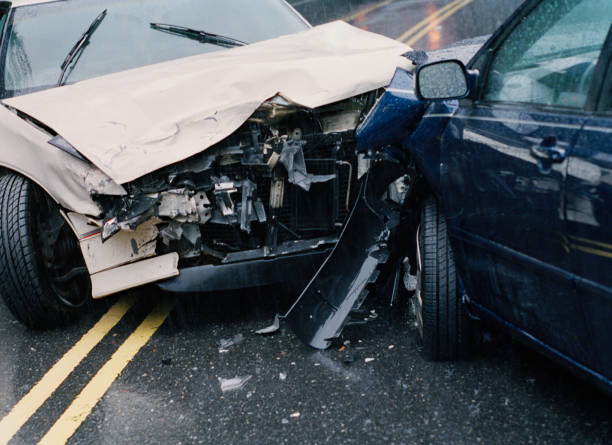
Understanding Fault in Car Accident Personal Injury Cases

Understanding Fault in Car Accident Personal Injury Cases, Car accident fault and liability

When a car accident happens, the immediate chaos is often followed by a single, critical question: who is at fault? In the realm of personal injury...

1 year ago Read More

Understanding Slip and Fall Accident Liability

Understanding Slip and Fall Accident Liability, Slip and fall injury claims

A slip and fall accident is exactly what it sounds like: you lose your footing, hit the ground, and get hurt. While sometimes these are simple...

1 year ago Read More

Understanding Medical Malpractice: When Healthcare Harms

Understanding Medical Malpractice: When Healthcare Harms, Misdiagnosis and delayed diagnosis claims

Medical malpractice occurs when a healthcare professional, through a negligent act or omission, causes injury to a patient. This negligence...

1 year ago Read More

Understanding Assault and Battery Injuries in Personal Injury Cases

Understanding Assault and Battery Injuries in Personal Injury Cases, Assault and battery civil liability

Assault and battery are not just criminal charges; they are also the basis for serious personal injury lawsuits. When someone intentionally causes...

1 year ago Read More
Looking for a Lawyer?
.
help_outline

Frequently Asked Questions

Get answers to the most common liability case queries.

Who can be held legally responsible for an unsafe construction site?
Multiple parties can share responsibility. The property owner, the general contractor, and various subcontractors all have a duty to maintain a safe site. Architects or engineers may be liable if design flaws create hazards. Manufacturers of defective equipment can also be responsible. Determining liability depends on who controlled the area or activity where the injury occurred and who failed to meet the required safety standard. Courts often find that general contractors have a broad responsibility to coordinate safety for all workers on the project, even those employed by others.
What defenses might a property owner use in a slip-and-fall case?
Common defenses include arguing the injured person was not careful (e.g., wearing improper footwear, running, or being distracted), that the hazardous condition was “open and obvious,“ or that a severe, ongoing storm made timely removal impossible. They may also argue the person was trespassing or that they took adequate steps, like applying salt, but the weather overwhelmed those efforts. The core defense is that the owner acted reasonably given the circumstances.
Are opinions protected from legal liability?
Generally, pure opinions are protected. This is a statement that cannot be proven true or false (e.g., “I think he’s a bad manager”). However, stating a damaging opinion that implies undisclosed, false facts can cross into defamation. For example, “In my opinion, she stole from the company” suggests a factual basis for theft. If that factual basis is false, the statement may be actionable. The context of the statement is critically examined.
Where do these incidents commonly occur?
These cases frequently arise in locations where people are particularly vulnerable or where crime is foreseeable. Common settings include apartment complexes, hotel parking garages, shopping mall lots, nightclubs, and college campuses. The key factor is often the property’s history. For example, an apartment building with multiple prior break-ins has a clear duty to enhance security. A remote business with no prior issues has a lesser duty, but still must provide basics like functional locks and adequate lighting.