Defective building materials liability

Liability for Defective Concrete in Residential Foundations

Liability for Defective Concrete in Residential Foundations, Defective building materials liability
A house is only as stable as what sits underneath it. When the concrete used in a residential foundation is defective, the entire structure is at...

today Read More
Defective Roofing Shingles: When a Home’s First Defense Fails

Defective Roofing Shingles: When a Home’s First Defense Fails, Defective building materials liability

Your roof is supposed to keep everything else safe. When the shingles themselves are bad, that promise breaks long before the weather does. Defective...

3 months ago Read More
The Hidden Danger in the Blueprint: Understanding Design Defects in Building Materials

The Hidden Danger in the Blueprint: Understanding Design Defects in Building Materials, Defective building materials liability

When a building material fails, the instinct is to blame the factory that made it. But often the problem is not in how the material was manufactured...

3 months ago Read More
Understanding Defective Product Design: When the Blueprint is the Problem

Understanding Defective Product Design: When the Blueprint is the Problem, Product-related personal injury claims

When you buy a product, you trust that the company has thought it through. You assume that before it hit the shelves, someone considered how it would...

1 year ago Read More
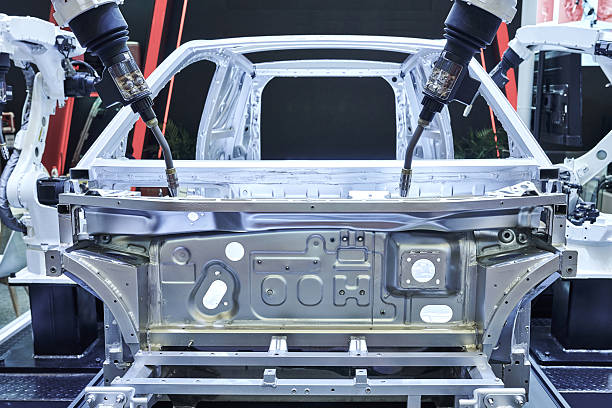
The Dangers of Defective Car Parts and Equipment

The Dangers of Defective Car Parts and Equipment, Defective automotive parts liability

When you buy a car or have it repaired, you trust that the parts inside it are safe. You assume the brakes will stop the car, the airbag will deploy...

1 year ago Read More

The Hidden Dangers in Defective Children’s Products

The Hidden Dangers in Defective Children’s Products, Defective children's products

The marketplace for children’s goods is a vibrant and ever-expanding realm, filled with items designed to delight, educate, and protect our youngest...

1 year ago Read More

Who Bears Legal Responsibility for a Defective Product Design?

Who Bears Legal Responsibility for a Defective Product Design?, Product-related personal injury claims

In the complex ecosystem of bringing a product to market, determining legal responsibility for a design defect is a critical question of consumer...

1 year ago Read More

What Makes a Children’s Product Legally Defective?

What Makes a Children’s Product Legally Defective?, Defective children's products

The world of children’s products is built on a foundation of trust. Parents and caregivers rely on manufacturers to create items that are not only...

1 year ago Read More

What to Do If a Defective Product or Machine Injures You at Work

What to Do If a Defective Product or Machine Injures You at Work, Workers' compensation vs personal injury lawsuits

Suffering an injury at work is a disruptive and often painful experience, but the situation becomes even more complex when the cause is not a simple...

1 year ago Read More
Looking for a Lawyer?
.
help_outline

Frequently Asked Questions

Get answers to the most common liability case queries.

What is the difference between a class action and a government enforcement action in these cases?
A class action is a lawsuit filed by a group of affected citizens seeking compensation for their damages. A government enforcement action is brought by a state or federal agency (like the EPA) to punish the polluter with fines, force cleanup, and require future compliance with environmental laws. These two types of cases often proceed simultaneously; the government action aims to stop and remedy the contamination, while the private lawsuit compensates the victims.
What makes a walkway or floor legally “unsafe”?
An area is considered unsafe if a dangerous condition exists that a reasonable property owner would have fixed or warned about. Common examples include wet or slippery surfaces without signs, uneven pavement, broken floor tiles, loose carpeting, poor lighting in stairwells, or ice and snow that hasn’t been cleared. The key is that the hazard is not an obvious, everyday risk a person should always expect, but a specific, unreasonable danger that the property manager failed to address through maintenance or warnings.
Who can be held legally responsible for a building code violation?
Legal responsibility typically falls on the current property owner, regardless of who caused the violation. However, others can also be held accountable. Builders, contractors, or architects who performed the faulty work can be sued for the cost of repairs. Previous owners may be liable if they hid known violations during a sale. In rental properties, landlords are responsible for maintaining a safe, code-compliant space for their tenants.
What is the most common legal result of not following safety rules?
The most common result is a negligence lawsuit. If someone gets hurt because a person or company failed to follow established safety rules, the injured party can sue. To win, they must prove the safety rules existed, were not followed, and that this failure directly caused their injury. This is a foundational concept in personal injury law. The defendant is held liable because their careless action breached a basic duty to keep others reasonably safe.