
Lead exposure and poisoning claims

Lead Poisoning Claims: Who Pays When a Child Is Harmed?

Lead Poisoning Claims: Who Pays When a Child Is Harmed?, Lead exposure and poisoning claims

Lead poisoning is not a single accident. It is a slow, invisible injury that often happens in older homes and apartments where lead paint, dust, and...

today Read More

Proving Which Paint Made the Child Sick: The Source Problem in Lead Poisoning Lawsuits

Proving Which Paint Made the Child Sick: The Source Problem in Lead Poisoning Lawsuits, Lead exposure and poisoning claims

Children get lead poisoning from many places. Old paint is the most common source, but lead also shows up in soil, water pipes, toys, and even...

29 days ago Read More

The Hidden Time Bomb: How Delayed Symptoms Affect Lead Poisoning Claims

The Hidden Time Bomb: How Delayed Symptoms Affect Lead Poisoning Claims, Lead exposure and poisoning claims

When a child is exposed to lead paint dust, the damage inside the body often begins quietly. There is no coughing, no rash, no immediate pain. The...

29 days ago Read More

Landlord Liability for Lead Paint Poisoning in Rental Properties

Landlord Liability for Lead Paint Poisoning in Rental Properties, Lead exposure and poisoning claims

Lead paint is a serious problem in older homes. If you rent a house or apartment built before 1978, your landlord may be legally responsible for...

2 months ago Read More

The Legal Battle Over Lead Poisoning in Older Homes

The Legal Battle Over Lead Poisoning in Older Homes, Lead exposure and poisoning claims

Lead poisoning is a serious public health problem that still affects thousands of children every year, even though lead paint was banned in the...

5 months ago Read More
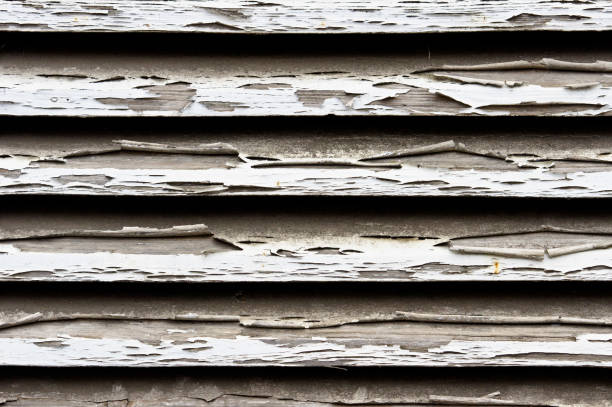
Landlord Liability for Lead Paint Hazards in Older Properties

Landlord Liability for Lead Paint Hazards in Older Properties, Lead exposure and poisoning claims

If you own or manage residential property built before 1978, you are sitting on a ticking legal bomb. Lead paint was banned for residential use in...

8 months ago Read More

Lead Paint Liability: When a Legacy of Toxicity Becomes a Legal Claim

Lead Paint Liability: When a Legacy of Toxicity Becomes a Legal Claim, Lead exposure and poisoning claims

Lead paint remains one of the most persistent and dangerous household products in American homes. Despite being banned for residential use in 1978...

10 months ago Read More

The Hidden Hazards: Understanding Health Problems from Lead Paint Exposure

The Hidden Hazards: Understanding Health Problems from Lead Paint Exposure, Lead exposure and poisoning claims

Despite being banned for decades, lead-based paint remains a persistent threat in older homes and buildings, posing significant health risks to...

1 year ago Read More
The Hidden Danger: How Unsafe Walkways and Floors Lead to Serious Injury

The Hidden Danger: How Unsafe Walkways and Floors Lead to Serious Injury, Slip and fall injury claims

A property is more than just a building or a piece of land; it is a space where people have a right to expect reasonable safety. When walkways and...

1 year ago Read More

Looking for a Lawyer?
.
help_outline

Frequently Asked Questions

Get answers to the most common liability case queries.

Can a property owner be liable for “natural” ice accumulation?
Yes, in many situations. The key is whether the owner had a reasonable opportunity to discover and address the hazard. While an owner may not be liable for a sudden, unexpected ice patch, they are typically responsible for hazards that develop over time and that they should have known about. For example, if melting snow refreezes overnight on their walkway, they likely have a duty to treat it with salt or sand by the morning.
How does “premises liability” work for injuries on property?
Premises liability holds property owners or occupiers responsible for injuries caused by unsafe conditions on their land or buildings. The owner’s duty depends on why you were there. Highest protection is for invitees (like customers), who are owed regular inspections and repairs. For licensees (social guests), owners must warn of hidden dangers they know about. Trespassers are generally owed less duty. Common cases involve slip and falls from wet floors, poor lighting, broken stairs, or inadequate security that leads to an assault.
What is the most common basis for a negligence claim against a daycare or school?
The most common basis is a failure in supervision. Schools and daycares have a legal duty to provide adequate oversight for children’s safety. A claim arises when this duty is breached, directly causing an injury. Examples include a child wandering off premises, severe bullying that staff ignored, or a preventable playground accident. The key is proving that reasonable supervision would have stopped the harm. It’s not about every minor scrape, but about clear failures that lead to significant physical or emotional injury.
What is the basic definition of product liability?
Product liability is the legal responsibility of a manufacturer or seller for injuries caused by a defective product they put into the marketplace. It holds these parties accountable when a flawed item harms a consumer. This area of law is designed to protect buyers and encourage companies to make safe products. You don’t necessarily need a direct contract with the manufacturer to have a claim; anyone harmed by the product while using it as intended may potentially have a case against those in the supply chain.