
Motorcycle accident liability

The ’Looked But Didn’t See’ Phenomenon in Motorcycle Accident Liability

The ’Looked But Didn’t See’ Phenomenon in Motorcycle Accident Liability, Motorcycle accident liability

When a car turns left directly into the path of an oncoming motorcycle, the driver almost always says the same thing: “I looked, but I didn’t see...

1 month ago Read More

Lane Splitting and Motorcycle Accident Liability

Lane Splitting and Motorcycle Accident Liability, Motorcycle accident liability
Lane splitting is riding a motorcycle between two lanes of slow or stopped traffic. It is common in crowded cities and can help riders avoid...

1 month ago Read More
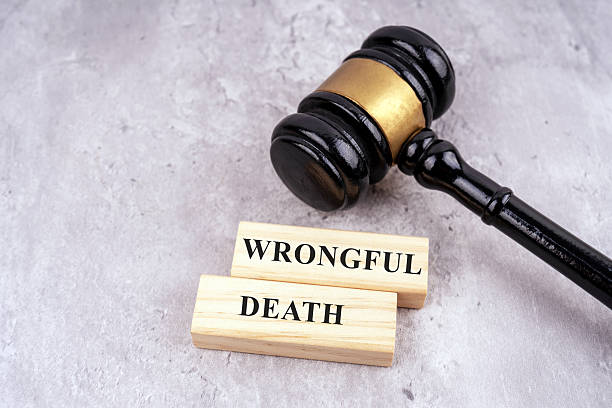
Understanding Wrongful Death Claims: A Guide for Families

Understanding Wrongful Death Claims: A Guide for Families, Burden of proof and evidence standards

A wrongful death case is a civil lawsuit brought when someone’s death is caused by the negligent, reckless, or intentional act of another person or...

1 year ago Read More

Common Accidents That Lead to Wrongful Death Claims

Common Accidents That Lead to Wrongful Death Claims, Burden of proof and evidence standards

The sudden loss of a loved one is a devastating event, a pain compounded immensely when that death was caused by the negligent, reckless, or...

1 year ago Read More
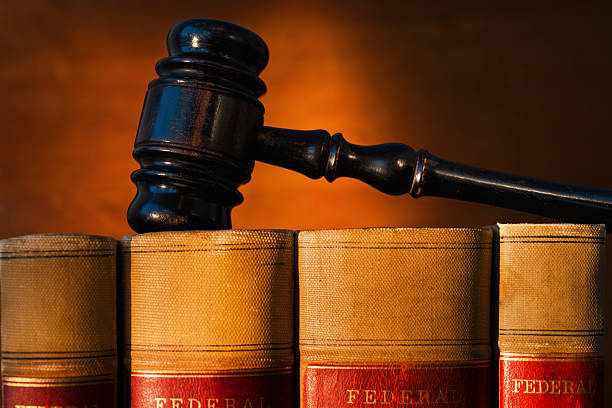
How E-Bike Speed Determines Fault in an Accident

How E-Bike Speed Determines Fault in an Accident, Bicycle and e-bike accident claims

When an e-bike collides with a car, a pedestrian, or another cyclist, the first question everyone asks is whose fault it was. And the answer often...

3 months ago Read More

Dooring Accidents: Who Is Liable When a Car Door Hits a Cyclist?

Dooring Accidents: Who Is Liable When a Car Door Hits a Cyclist?, Bicycle and e-bike accident claims

A driver or passenger opens a car door into the path of a bicycle or e-bike. The cyclist has less than a second to react. Dooring crashes are common...

3 days ago Read More
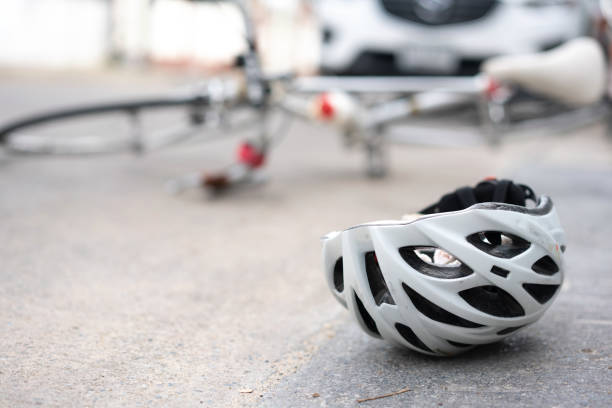
Understanding Personal Injury Liability: Who Pays When Someone Gets Hurt

Understanding Personal Injury Liability: Who Pays When Someone Gets Hurt, Car accident fault and liability

Personal injury liability is the legal rule that makes one person or company financially responsible for harming another through carelessness or...

1 year ago Read More
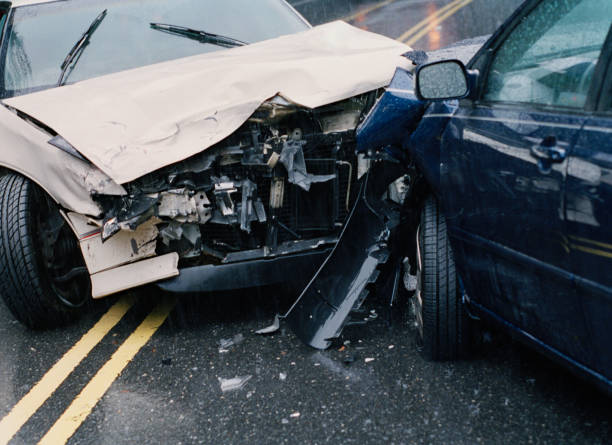
Understanding Fault in Car Accident Personal Injury Cases

Understanding Fault in Car Accident Personal Injury Cases, Car accident fault and liability

When a car accident happens, the immediate chaos is often followed by a single, critical question: who is at fault? In the realm of personal injury...

1 year ago Read More

Understanding Slip and Fall Accident Liability

Understanding Slip and Fall Accident Liability, Slip and fall injury claims

A slip and fall accident is exactly what it sounds like: you lose your footing, hit the ground, and get hurt. While sometimes these are simple...

1 year ago Read More

Looking for a Lawyer?
.
help_outline

Frequently Asked Questions

Get answers to the most common liability case queries.

How is Strict Liability different from Negligence?
The critical difference is the requirement to prove fault. In a negligence case, the injured party must prove the defendant failed to act with reasonable care. In a strict liability case, that proof is unnecessary. The plaintiff must only show that the defendant engaged in the specific dangerous activity (or made the product) and that this directly caused the harm. The defendant’s carefulness or good intentions are not a valid defense against the liability itself.
How does the law protect tenants with disabilities?
Landlords must make “reasonable accommodations” to rules and policies to allow a disabled person equal use of their home. They must also permit, at the tenant’s expense, “reasonable modifications” to the physical unit. For example, a landlord must allow a guide dog in a “no pets” building (accommodation) and permit a tenant to install a grab bar in the shower (modification). Newer multi-family buildings must have accessible common areas and accessible features within the units themselves.
What is the legal difference between harassment and bullying?
Harassment is unwelcome conduct based on a protected characteristic like race, sex, or age. It becomes illegal when enduring it becomes a condition of employment or it creates a hostile work environment. Bullying is repeated, unreasonable, and harmful behavior, but it is not illegal on a federal level unless it is tied to a protected characteristic. However, severe bullying can lead to other legal claims, such as intentional infliction of emotional distress, and may violate specific state or local laws.
What are the three main types of defects in these cases?
The three types are manufacturing defects, design defects, and failure to warn. A manufacturing defect is a mistake in making one specific item, like a batch of tires with weak rubber. A design defect means the entire product line is inherently dangerous, like an SUV prone to rolling over. Failure to warn involves missing or unclear instructions about a product’s known risks, like not stating a roof rack’s weight limit. Identifying which type of defect caused the harm is central to building a strong case.