Premises liability is the legal concept that holds property owners and occupiers responsible for accidents and injuries that happen on their land or in their buildings. At its core, it is about responsibility for safety. If you own, rent, or control ...
Read More
A property is more than just a building or a piece of land; it is a space where people have a right to expect reasonable safety. When walkways and floors are poorly maintained, they transform from simple surfaces into significant hazards. This area o...
Read More
When you enter a store, an apartment building, a parking garage, or a hotel, you have a basic expectation of safety. You trust that the property owner or manager has taken reasonable steps to protect you from foreseeable harm. When that trust is brok...
Read More
Swimming pools are a classic source of summer fun, but they are also a leading location for serious accidents and injuries. When someone is hurt in or around a pool, the legal question of who is responsible often comes down to a concept called premis...
Read More
A building should be a shelter, not a source of danger. When objects fall from a structure and injure someone below, it is not merely an unfortunate accident—it is often a preventable failure for which a property owner or manager can be held legall...
Read More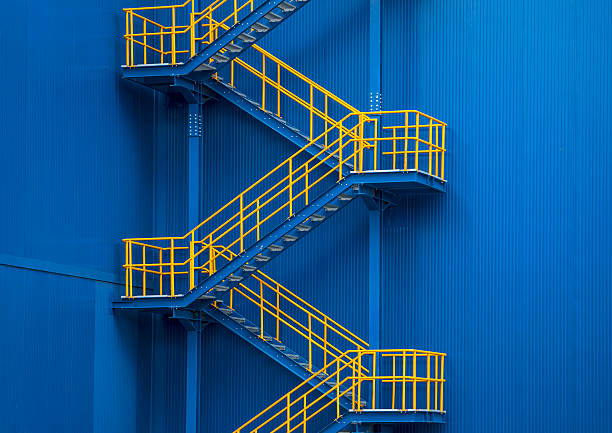
A broken step or a wobbly handrail is more than just an eyesore or a minor inconvenience. It is a loaded trap, a clear and present danger that forms the basis of countless serious injury claims under premises liability law. The legal principle here i...
Read More
Poor lighting in dangerous areas is not just an inconvenience; it is a direct cause of serious injuries and a clear source of legal liability for property owners. When someone is hurt because a property owner failed to provide adequate light, it ofte...
Read More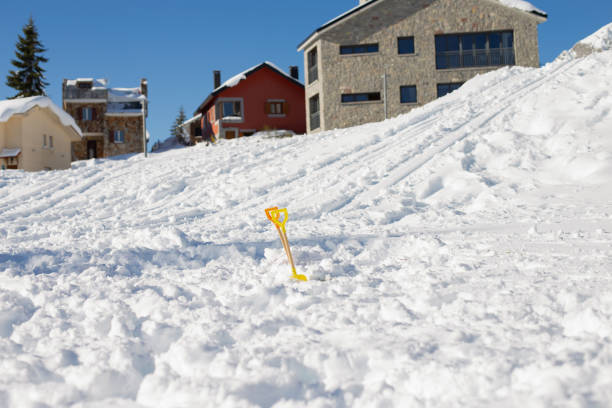
When winter arrives, ice and snow transform ordinary sidewalks, parking lots, and entryways into potential hazards. For property owners and managers, failing to remove these winter accumulations is not just a minor oversight—it is a primary cause o...
Read More
Property ownership carries significant legal responsibility, particularly regarding the safety of individuals who enter the premises. When an injury occurs, owners can face costly negligence claims alleging that a hazardous condition caused harm. Suc...
Read More
In the complex landscape of organizational and institutional responsibility, supervision stands as a critical bulwark against harm, error, and misconduct. It is the structured process through which oversight, guidance, and control are exercised. When...
Read More
Imagine a world where every fracture of the human condition was as apparent as a cast on a broken arm—where depression manifested as a visible shadow, anxiety as a tangible tremor in the air, and grief as a physical weight carried on the shoulders....
Read More
When an individual slips, trips, or falls on another’s property and sustains an injury, the resulting personal injury lawsuit alleges that the property owner was negligent in maintaining safe premises. These slip-and-fall cases hinge on the legal c...
Read More