
Within the intricate framework of tort law, which governs civil wrongs and provides remedies for harm, two foundational concepts stand out for their distinct approaches to assigning responsibility: negligence and strict liability. While both doctrine...
Read More
The foundational principle of most legal systems is that liability follows fault—a person should only be held responsible for harm they intentionally or negligently caused. Yet, across jurisdictions, there exist significant doctrines of “strict l...
Read More
In most legal cases, you have to prove someone was careless or intended to cause harm to hold them responsible. Strict liability throws that common-sense rule out the window. It is a legal principle that makes a party responsible for damages or losse...
Read More
Every year, thousands of children end up in emergency rooms because they swallowed, inhaled, or choked on small parts from toys. Parents blame themselves. They think they should have been watching more closely. But the real fault often lies with the ...
Read More
Brake failure is one of the most terrifying and dangerous defects that can occur in a vehicle. When you press the brake pedal, you expect the car to stop. If the brakes fail because of a manufacturing flaw, a design error, or a bad replacement part, ...
Read More
Every year, emergency rooms treat thousands of children for injuries caused by furniture and televisions tipping over onto them. A dresser, a bookshelf, a heavy television stand—these everyday household items can become deadly when they are not anc...
Read More
When you buy a package of deli meat from the grocery store, you are trusting that the manufacturer took every reasonable step to keep that product safe. Listeria monocytogenes is a bacterium that thrives in cold environments like refrigerators and de...
Read More
You are driving down the highway at seventy miles per hour. The pavement is dry, the weather is clear, and then you feel it: a sudden vibration in the steering wheel that quickly turns into a violent rumble. The back of your car starts to sway. You f...
Read More
In 2008 and 2009, a salmonella outbreak linked to peanut butter sickened more than 700 people across 46 states. At least nine people died. The source was the Peanut Corporation of America, a single processing plant in Blakely, Georgia. For lawyers an...
Read More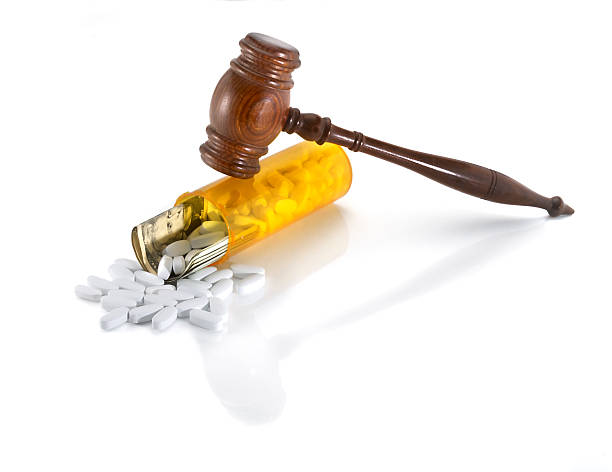
In 1982, seven people in the Chicago area took Extra-Strength Tylenol capsules and died within hours. The cause was cyanide poisoning. Investigators found that someone had removed bottles from store shelves, opened the capsules, replaced the acetamin...
Read More
In early 2023, the U.S. Food and Drug Administration issued urgent warnings about several brands of over-the-counter eye drops contaminated with Pseudomonas aeruginosa, a drug-resistant bacterium. The outbreak sickened dozens of people in multiple st...
Read More
You buy a new electric scooter for your daily commute. The box is slick, the instructions are minimal, and there is no mention of what happens if you leave it plugged in overnight. Six months later, the battery swells, catches fire, and damages your ...
Read More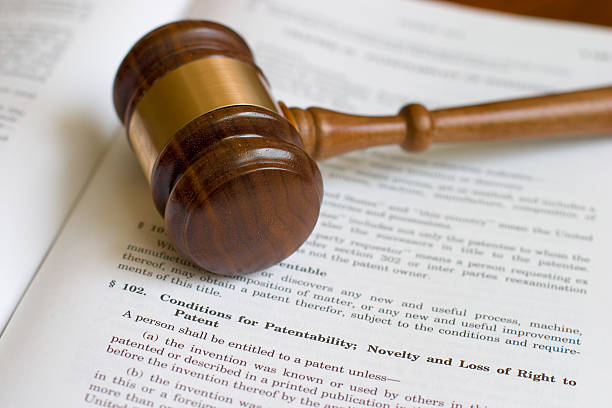
You buy a six-foot step ladder at the hardware store. The box shows a smiling man changing a lightbulb. The ladder feels sturdy. You take it home, set it up on your kitchen floor, and climb to reach a high shelf. The ladder tips sideways. You fall, b...
Read More
When you buy a package of spinach or a bottle of prescription painkillers, you trust that the product will not make you sick or kill you. The law recognizes this trust and places a special kind of responsibility on the companies that make and sell fo...
Read More
Your car’s steering system is the single most critical link between your hands and the road. When a steering component fails, you don’t lose a radio station—you lose control of a two-ton machine moving at highway speed. Product liability in thi...
Read More