
Defamation liability is the legal responsibility you face for harming someone’s reputation by spreading false information. At its core, it is about accountability for careless or malicious speech. It is not a crime, but a civil wrong, meaning the p...
Read More
Slander is the legal term for harming someone’s reputation by saying something false about them to a third party. It is a type of defamation, specifically the spoken kind. The core idea is simple: you cannot spread damaging lies about people and es...
Read More
Libel is the legal term for causing harm by publishing a false statement about someone. The key word here is “publishing,“ which in legal terms doesn’t just mean a book or newspaper. It means communicating the statement to at least one other pe...
Read More
A false online post is not just a digital mistake; it is a real-world act with serious legal consequences. When someone publishes a harmful lie about another person or business on the internet, they are not simply expressing an opinion or venting fru...
Read More
The internet runs on reviews. Before we buy a product, book a hotel, or hire a contractor, we check the ratings. This system relies on trust—the trust that the opinions are genuine. When that trust is broken by false reviews, it’s not just unethi...
Read More
Defamation is the legal term for spreading a lie that ruins someone’s good name. It’s not about hurt feelings or private criticism. It’s about a false statement of fact, told to others, that causes real harm to a person’s or business’s repu...
Read More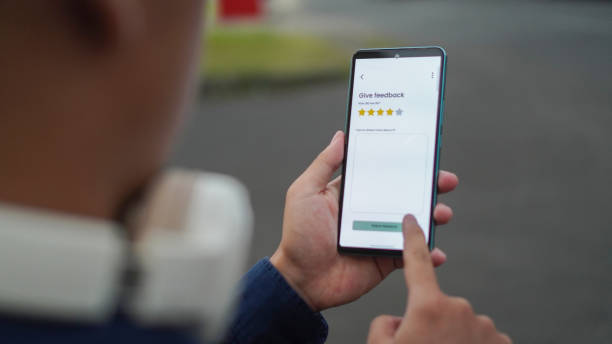
A false public accusation is a social and legal grenade. When someone publicly claims you did something wrong—like committed a crime, acted unethically in business, or engaged in serious personal misconduct—and that claim is not true, it can shat...
Read More
Gossip and rumors are often dismissed as petty drama, but when they cross the line into harmful falsehoods, they cease to be trivial and become legally actionable defamation. This is not about minor exaggerations or hurt feelings. Defamation law exis...
Read More
The gavel falls, the verdict is read, and the outcome is not in your favor. Losing a legal case, whether civil or criminal, is far more than a simple mark in the “loss” column. It initiates a cascade of consequences that can reshape your financia...
Read More
The digital age has empowered consumers to share their experiences with a global audience, making online reviews a cornerstone of modern commerce. Yet, this power carries a significant question: can expressing a negative opinion or an honest critique...
Read More
In the digital marketplace, online reviews are a cornerstone of consumer trust and business reputation. However, the proliferation of fake reviews—whether overly positive to boost a business or maliciously negative to harm a competitor—has create...
Read More
In an age where our digital and physical lives are inextricably linked, the nature of gossip has transformed from whispered conversations to permanent, searchable records. When harmful gossip is posted online, it ceases to be a fleeting rumor and bec...
Read More