Comparative and contributory negligence

The Difference Between Pure and Modified Comparative Negligence

The Difference Between Pure and Modified Comparative Negligence, Comparative and contributory negligence

When an accident leaves someone injured, the victim often carries some blame. Maybe they were speeding, or they crossed against the light. The law...

1 month ago Read More
How Comparative Negligence Decides Your Settlement Before Trial

How Comparative Negligence Decides Your Settlement Before Trial, Comparative and contributory negligence

Most people assume a personal injury case ends in one of two ways: a winner or a loser. But in the real world, very few cases are that clean. If you...

1 month ago Read More
The 50% Bar Rule in Comparative Negligence

The 50% Bar Rule in Comparative Negligence, Comparative and contributory negligence

When you slip on a wet floor in a grocery store, the first question that comes to mind is whose fault it was. But in the legal world, fault is rarely...

1 month ago Read More
Understanding Shared Fault in Accidents

Understanding Shared Fault in Accidents, Comparative and contributory negligence

The aftermath of an accident is often a confusing whirlwind of adrenaline, damage assessment, and legal uncertainty. A common and deeply troubling...

1 year ago Read More

What Happens If You Share Blame for an Accident?

What Happens If You Share Blame for an Accident?, Comparative and contributory negligence

The immediate aftermath of an accident is often a blur of adrenaline and confusion. As the situation settles, a more troubling thought can emerge...

1 year ago Read More

Class Action Lawsuits vs. Government Enforcement: A Comparative Guide

Class Action Lawsuits vs. Government Enforcement: A Comparative Guide, Trial procedure for civil liability cases

When consumers are harmed by corporate misconduct, such as false advertising, defective products, or anticompetitive practices, two primary legal...

1 year ago Read More

Understanding Comparative Negligence in Car Accident Cases

Understanding Comparative Negligence in Car Accident Cases, Car accident fault and liability

When you get into a car accident, the first question everyone asks is: who caused it? In the old days, the answer was simple. If you caused the...

1 year ago Read More
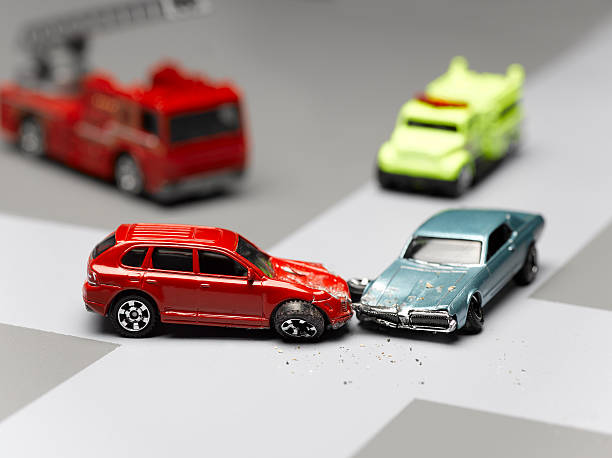
How Comparative Negligence Determines Fault in a Car Accident

How Comparative Negligence Determines Fault in a Car Accident, Car accident fault and liability

When two cars collide, the first question everybody asks is whose fault it was. But in the real world, fault is rarely a clean yes-or-no answer. You...

10 months ago Read More
Comparative Negligence: How Fault Is Split in Car Accidents

Comparative Negligence: How Fault Is Split in Car Accidents, Car accident fault and liability

When two cars crash, the question is rarely about who is completely at fault. Most accidents involve mistakes from both drivers. A driver runs a red...

5 months ago Read More
Looking for a Lawyer?
.
help_outline

Frequently Asked Questions

Get answers to the most common liability case queries.

Can you sue for a free speech violation if no law was technically broken?
Yes, you can. The core of a free speech claim is that a government action or policy is unconstitutional, even if it follows a written statute or ordinance. If a law itself violates the First Amendment, it can be challenged and struck down as invalid. For example, a city law banning all street protests could be challenged by a would-be protester who was arrested under it. The lawsuit argues the law itself is the violation, seeking to have it invalidated and any penalties reversed.
How is the “reasonable person” standard used in negligence cases?
The “reasonable person” standard is the measuring stick for carelessness. It asks: What would a typically careful person have done in the same situation? The law doesn’t expect perfection, but it does expect ordinary prudence. For example, a driver must act like a reasonable driver, and a doctor must act like a reasonable doctor. If the defendant’s actions fall short of this objective standard, they have breached their duty of care. This standard is flexible and considers the specific circumstances and risks involved.
Who can be held liable for an injury on a construction site?
Multiple parties can be liable for a worksite injury. This includes the property owner, the general contractor, and specific subcontractors, depending on who controlled the area where the accident happened and who was responsible for safety. Liability hinges on a failure to maintain a reasonably safe site, provide proper safety equipment, or warn of known hazards. Injured workers may also file claims through workers’ compensation, which is a separate system from direct liability lawsuits.
What is the most common legal rule for dog bite liability?
The most common rule is “strict liability.“ This means the dog’s owner is automatically responsible for injuries caused by their dog biting someone, regardless of the dog’s past behavior. This rule applies if the victim was in a public place or lawfully in a private place. It removes the need to prove the owner was careless or knew the dog was dangerous. However, this rule is not universal; some states still use a “one-bite” rule or negligence standards, so local laws must always be checked.