Repetitive motion and ergonomic injuries

Ergonomic Negligence: When Employers Fail to Adapt Workstations

Ergonomic Negligence: When Employers Fail to Adapt Workstations, Repetitive motion and ergonomic injuries
Most people think of workplace injuries as sudden events—a fall, a burn, a machine accident. But the slower, quieter injuries caused by repetitive...

3 days ago Read More
The Role of OSHA Guidelines in Ergonomic Injury Lawsuits

The Role of OSHA Guidelines in Ergonomic Injury Lawsuits, Repetitive motion and ergonomic injuries

When a worker develops a painful condition from repeating the same motion day after day, the legal blame often lands on the employer. But proving...

1 month ago Read More
Common Workplace Hazards and the Injuries They Cause

Common Workplace Hazards and the Injuries They Cause, Construction site accident liability

Workplace hazards are an unfortunate reality across many industries, and understanding the specific injuries they cause is crucial for prevention and...

1 year ago Read More
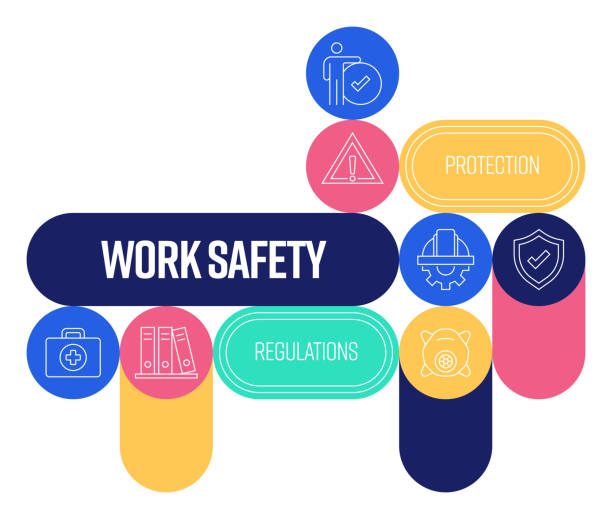
Essential Safety Standards for Preventing Workplace Hazards

Essential Safety Standards for Preventing Workplace Hazards, Construction site accident liability

The modern workplace, whether an industrial factory, a bustling construction site, or a seemingly benign office environment, is a landscape of...

1 year ago Read More
When Employers Fail to Train Workers on Safety Rules

When Employers Fail to Train Workers on Safety Rules, Train and railroad crossing accidents

Every workplace has hazards. Some are obvious, like exposed machinery or chemical spills. Others hide in daily routines, like repetitive motions or...

6 months ago Read More
The Federal Employees’ Compensation Act: Your Sole Remedy for On-the-Job Injuries

The Federal Employees’ Compensation Act: Your Sole Remedy for On-the-Job Injuries, Federal employee injury claims

If you work for the federal government, the rules for workplace injury liability are completely different from those that apply to private-sector...

1 month ago Read More
Understanding Personal Injury Liability: Who Pays When Someone Gets Hurt

Understanding Personal Injury Liability: Who Pays When Someone Gets Hurt, Car accident fault and liability

Personal injury liability is the legal rule that makes one person or company financially responsible for harming another through carelessness or...

1 year ago Read More
Understanding Fault in Car Accident Personal Injury Cases

Understanding Fault in Car Accident Personal Injury Cases, Car accident fault and liability

When a car accident happens, the immediate chaos is often followed by a single, critical question: who is at fault? In the realm of personal injury...

1 year ago Read More
Understanding Slip and Fall Accident Liability

Understanding Slip and Fall Accident Liability, Slip and fall injury claims

A slip and fall accident is exactly what it sounds like: you lose your footing, hit the ground, and get hurt. While sometimes these are simple...

1 year ago Read More
Looking for a Lawyer?
.
help_outline

Frequently Asked Questions

Get answers to the most common liability case queries.

What does “due process” mean in cases of unfair treatment?
“Due process” means the government must follow fair procedures before taking away your life, liberty, or property. A violation occurs when they act arbitrarily. For example, if a city revokes your business license without giving you notice or a chance to defend yourself, that is a due process violation. It doesn’t guarantee a specific outcome, but it guarantees a fair process. This applies to things like license suspensions, terminations from public employment, or seizures of property.
What do I need to prove to have a strong case?
You need to establish a clear link between the contaminated product and your specific harm. Critical evidence includes the product packaging or receipt, medical records diagnosing your illness, and lab tests confirming the pathogen (like Salmonella). Official recall notices from health agencies also provide powerful support. This evidence connects your injury directly to the defective product and the responsible company.
What is the legal standard for when police force becomes “excessive”?
The legal standard is “objective reasonableness.“ Force is excessive if a reasonable officer in the same situation would not have used it. Courts look at the severity of the crime, whether the person posed an immediate threat, and if they were actively resisting or trying to escape. The officer’s intent is irrelevant; the question is whether their actions were justified based on the facts they faced at that moment. This standard comes from the Fourth Amendment’s protection against unreasonable seizures.
What do I need to prove in a liability case for these exposures?
You must demonstrate that the responsible party controlled the property or situation where the exposure occurred, that they were negligent in managing the known hazard, and that this negligence directly caused your specific illness. Medical records confirming the diagnosis (like lead poisoning or mesothelioma) and evidence linking it to the specific exposure source are essential. Documentation of the hazardous condition and requests for its repair can be powerful proof of negligence.