Chemical spills and emergency exposure

The First Hours After a Chemical Spill: How Response Actions Shape Legal Liability

The First Hours After a Chemical Spill: How Response Actions Shape Legal Liability, Chemical spills and emergency exposure
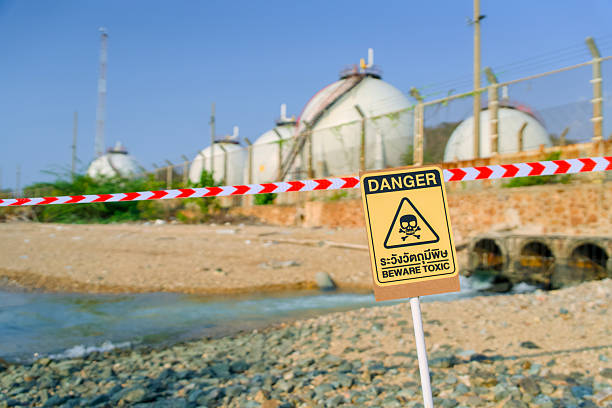
When a chemical spill happens, the clock starts ticking immediately. Every minute counts for people’s health and for the legal consequences that will...

2 months ago Read More
Improper Storage of Hazardous Waste: Leaking Drums and Legal Liability

Improper Storage of Hazardous Waste: Leaking Drums and Legal Liability, Chemical spills and emergency exposure

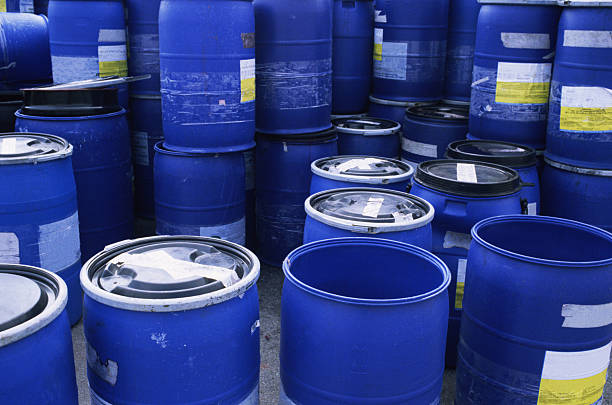
You store drums of used solvents, old paint thinners, or spent industrial cleaners on your property. You put them on a concrete pad, maybe under a...

8 months ago Read More
Strict Liability for Hazardous Waste Spills During Transportation

Strict Liability for Hazardous Waste Spills During Transportation, Chemical spills and emergency exposure

When a truck carrying industrial solvents overturns on a highway, or a train derails spilling chemicals into a river, the immediate concern is public...

10 months ago Read More
The Legal Fallout from a Hazardous Waste Leak: What Companies Need to Know

The Legal Fallout from a Hazardous Waste Leak: What Companies Need to Know, Chemical spills and emergency exposure

Imagine you run a small manufacturing plant. You store used solvents and industrial sludge in fifty-five-gallon drums behind the building. The drums...

10 months ago Read More
Chemical Spill Into River: Who Pays for Damaged Farmland?

Chemical Spill Into River: Who Pays for Damaged Farmland?, Chemical spills and emergency exposure

A factory upstream releases a batch of industrial chemicals into a river. Within hours, the contamination spreads downstream. Farmers who rely on...

1 year ago Read More
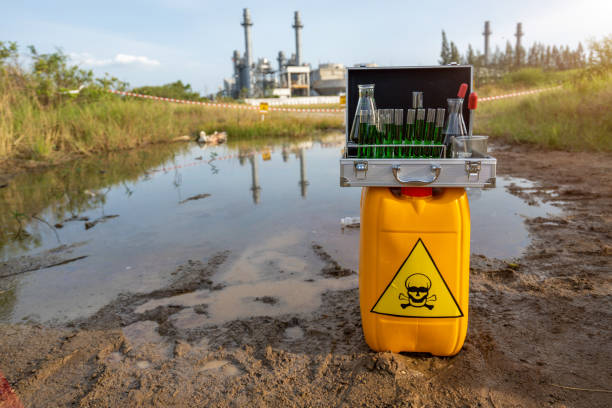
Immediate Legal Actions Following a Hazardous Waste Release

Immediate Legal Actions Following a Hazardous Waste Release, Chemical spills and emergency exposure

The discovery of a hazardous waste release, whether from a storage tank failure, transportation accident, or historical contamination, triggers a...

1 year ago Read More

Who Pays When Forever Chemicals Poison Your Tap Water?

Who Pays When Forever Chemicals Poison Your Tap Water?, Community-wide environmental contamination

If your drinking water comes out of the tap contaminated with toxic chemicals that never break down in the environment, you have a legal problem. But...

1 year ago Read More
The Legal Liability of Lye-Based Drain Cleaners and Chemical Burns

The Legal Liability of Lye-Based Drain Cleaners and Chemical Burns, Defective household appliances

When you buy a bottle of drain cleaner from the hardware store, you expect it to unclog your pipe, not send you to the emergency room with a chemical...

1 year ago Read More
PFAS Contamination: How Toxic Chemicals Destroy Property Values and Trigger Lawsuits

PFAS Contamination: How Toxic Chemicals Destroy Property Values and Trigger Lawsuits, Community-wide environmental contamination

PFAS chemicals, often called forever chemicals, are the legal liability nightmare that keeps property lawyers awake at night. These synthetic...

5 months ago Read More
Looking for a Lawyer?
.
help_outline

Frequently Asked Questions

Get answers to the most common liability case queries.

When can a company be liable for a completely missing warning?
A company can be liable if it fails to warn about a non-obvious danger that is not common knowledge and that a reasonable person would not expect. For instance, a household cleaner doesn’t need a warning that it’s bad to drink. But if that same cleaner produces a toxic gas when mixed with ammonia, that hidden danger requires a clear, explicit warning. The key is foreseeability—if the manufacturer knew or should have known about the risk, they have a duty to warn.
What is the most common type of construction liability claim?
The most common claim is for defective workmanship, where a contractor fails to build according to the plans, specifications, or accepted trade standards. This includes issues like leaky roofs, cracked foundations, faulty electrical work, or improper plumbing installations. The party responsible for the defective work—whether the general contractor, a subcontractor, or a supplier—can be held liable for the cost of repairs and any resulting damage to other parts of the property.
Can a school be liable for discrimination based on race or national origin?
Yes. Schools can be held liable for discrimination based on race, color, or national origin. This includes harassment by other students if the school knows about it and does not take reasonable steps to stop it. It also covers unfair discipline practices that disproportionately target students of a particular race, or policies that create barriers for students who are learning English. Such discrimination violates federal civil rights laws that require equal access to education for all students.
What are the most common legal claims for faulty electrical or plumbing work?
The most common claims are for negligence and breach of contract. Negligence means the contractor failed to perform the work with reasonable skill and care, leading to damage. Breach of contract means they failed to deliver what was specifically promised in your agreement. If the work causes a fire or flood, you might also have a claim for property damage. In severe cases where someone is injured, a personal injury claim can arise. The core issue is that the work was not done to a proper professional standard.