Toxic exposure at work

Proving Your Illness Came From Work: The Causation Hurdle in Toxic Exposure Cases

Proving Your Illness Came From Work: The Causation Hurdle in Toxic Exposure Cases, Toxic exposure at work

When you inhale a chemical solvent at work and later get a liver disease, the link may feel obvious. But a court demands evidence. And the burden...

1 month ago Read More

Medical Monitoring Claims for Toxic Workplaces

Medical Monitoring Claims for Toxic Workplaces, Toxic exposure at work

When you breathe in fumes, touch solvents, or handle chemicals on the job, your body absorbs substances that can cause illness years down the road...

1 month ago Read More
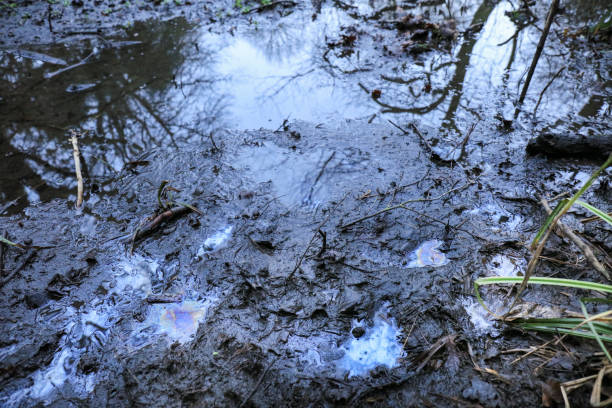
The Invisible Threat: How Toxic Air and Fumes Create Legal Liability

The Invisible Threat: How Toxic Air and Fumes Create Legal Liability, Community-wide environmental contamination

Toxic air pollution is not just an environmental issue; it is a direct source of legal liability for the businesses and entities that create it. When...

1 year ago Read More
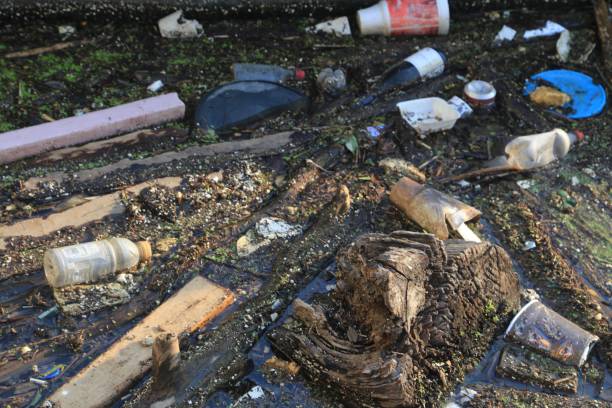
Essential Evidence for Proving Toxic Air Pollution Liability

Essential Evidence for Proving Toxic Air Pollution Liability, Community-wide environmental contamination

Establishing liability in a toxic air pollution case is a formidable legal and scientific challenge, requiring a convergence of evidence that...

1 year ago Read More
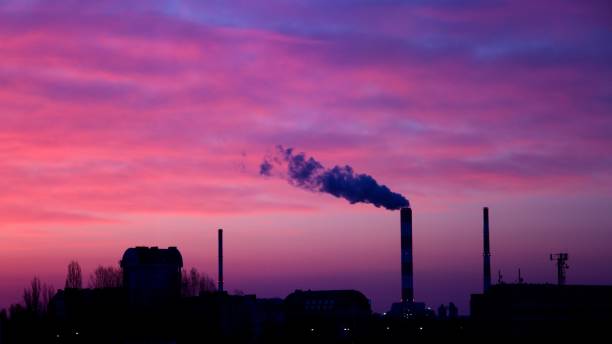
The Toxic Air Pollutants Most Frequently at the Heart of Legal Battles

The Toxic Air Pollutants Most Frequently at the Heart of Legal Battles, Community-wide environmental contamination

The air we breathe, when contaminated by industrial activity, can become a silent vector for disease and environmental degradation, often culminating...

1 year ago Read More
Chronic Exposure to Toxic Fumes: Proving Causation in Nuisance Cases

Chronic Exposure to Toxic Fumes: Proving Causation in Nuisance Cases, Community-wide environmental contamination

If you live near a factory, refinery, or chemical plant that regularly releases fumes into the air, you might have a legal claim. But the law doesn’t...

1 year ago Read More
When Toxic Spills Destroy Your Land: Liability for Property Damage from Pollution

When Toxic Spills Destroy Your Land: Liability for Property Damage from Pollution, Community-wide environmental contamination

Imagine you own a farm. For twenty years, the factory next door has been burying waste drums in a back lot. You never thought much about it. Then one...

1 year ago Read More
Proving Causation in Toxic Fume Exposure Cases

Proving Causation in Toxic Fume Exposure Cases, Community-wide environmental contamination

If you live or work near an industrial facility that releases smoke, vapors, or chemical odors, you might wonder whether you can sue if you get sick...

11 months ago Read More
Proving Your Illness Came from a Specific Factory’s Toxic Emissions

Proving Your Illness Came from a Specific Factory’s Toxic Emissions, Community-wide environmental contamination

When a factory releases toxic fumes into the air, and people living nearby start getting sick, the obvious question is: who’s responsible? But the...

11 months ago Read More

Looking for a Lawyer?
.
help_outline

Frequently Asked Questions

Get answers to the most common liability case queries.

Who can be held responsible for injuries from a faulty toy?
Liability can extend to multiple parties in the supply chain. This typically includes the product manufacturer and the designer. The distributor and the retail store that sold the item can also be held responsible in many cases. If a part of the toy failed, the company that made that specific component may share liability. Identifying all responsible parties is a key step in seeking compensation for a child’s injuries.
What are the most common types of defects from poor workmanship?
Common defects include water penetration from faulty roofing or waterproofing, major and minor cracking from inadequate foundations or materials, structural failures like sagging floors, and non-compliant electrical or plumbing work. These often stem from cutting corners, using incorrect materials, or a lack of proper supervision. Such defects can range from cosmetic issues to serious safety hazards, impacting the building’s usability, value, and integrity.
What is “prior restraint” and why is it a serious violation?
A prior restraint is when the government blocks speech before it is expressed, such as requiring a permit it wrongfully denies, unlawfully censoring a newspaper, or stopping a protest before it begins. Courts view this as one of the most severe free speech violations because it completely suppresses the speech. Such restraints are presumed unconstitutional and the government bears an extremely heavy burden to justify them, typically only allowed in extreme cases like preventing the publication of troop movements during war.
Are opinions protected from legal liability?
Generally, pure opinions are protected. This is a statement that cannot be proven true or false (e.g., “I think he’s a bad manager”). However, stating a damaging opinion that implies undisclosed, false facts can cross into defamation. For example, “In my opinion, she stole from the company” suggests a factual basis for theft. If that factual basis is false, the statement may be actionable. The context of the statement is critically examined.