Pesticide and herbicide poisoning

Paraquat Exposure and Parkinson’s Disease: Who Is Liable for Neurological Damage?

Paraquat Exposure and Parkinson’s Disease: Who Is Liable for Neurological Damage?, Pesticide and herbicide poisoning

If you or someone you care for spent years working with paraquat, you already know the name. It is one of the most widely used herbicides in the...

1 month ago Read More
Off-Target Pesticide Drift and Neighbor Liability

Off-Target Pesticide Drift and Neighbor Liability, Pesticide and herbicide poisoning

When a farmer sprays a field with herbicide and the chemical travels through the air onto your property, the result can be ruined crops, sick...

2 months ago Read More

The Hidden Crisis of Groundwater and Soil Contamination

The Hidden Crisis of Groundwater and Soil Contamination, Community-wide environmental contamination

Groundwater and soil contamination represents one of the most pervasive and costly forms of environmental damage. Unlike a visible spill, this...

1 year ago Read More
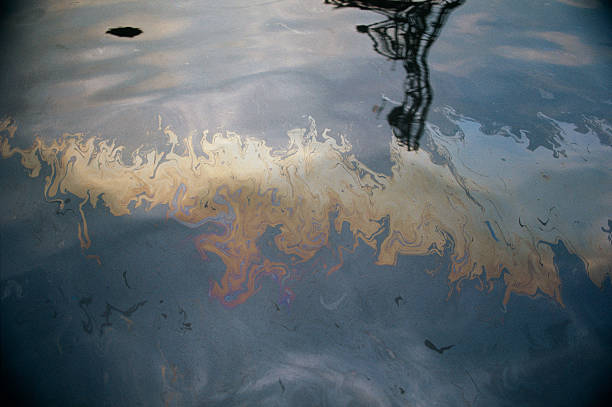
The Hidden Dangers of Contaminated Drinking Water Sources

The Hidden Dangers of Contaminated Drinking Water Sources, Community-wide environmental contamination

Contaminated drinking water is a silent and pervasive threat that can transform a basic necessity into a source of serious illness and long-term...

1 year ago Read More
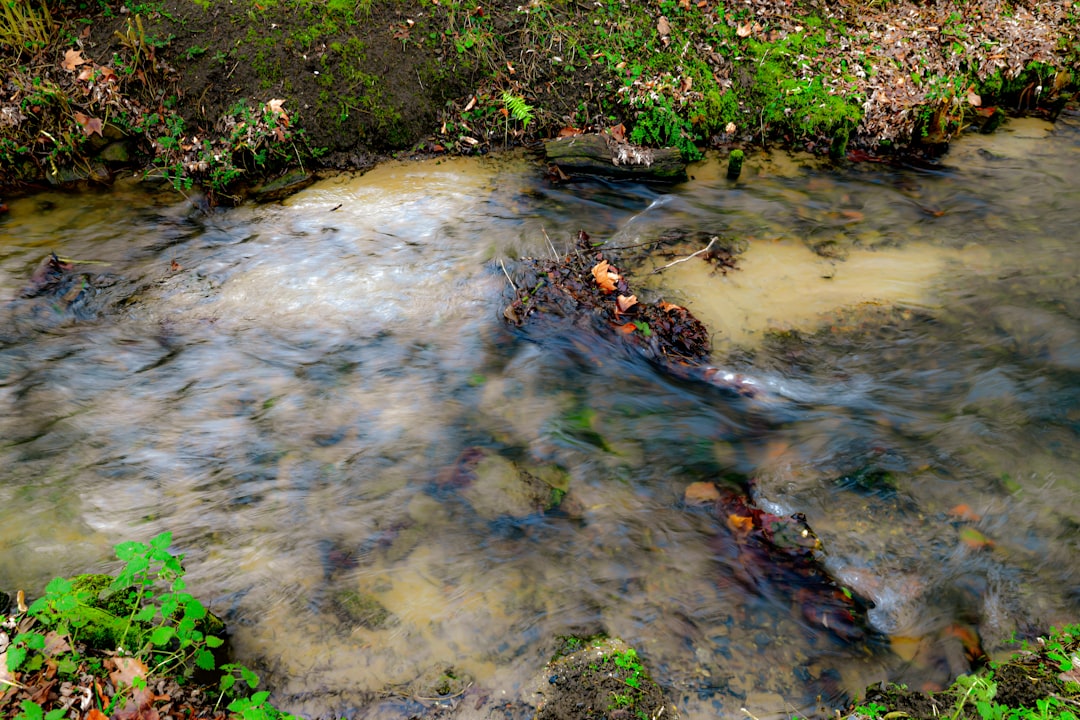
The Primary Sources of Contamination in Our Drinking Water

The Primary Sources of Contamination in Our Drinking Water, Community-wide environmental contamination

Access to clean drinking water is a cornerstone of public health, yet water sources globally are perpetually vulnerable to contamination from a wide...

1 year ago Read More
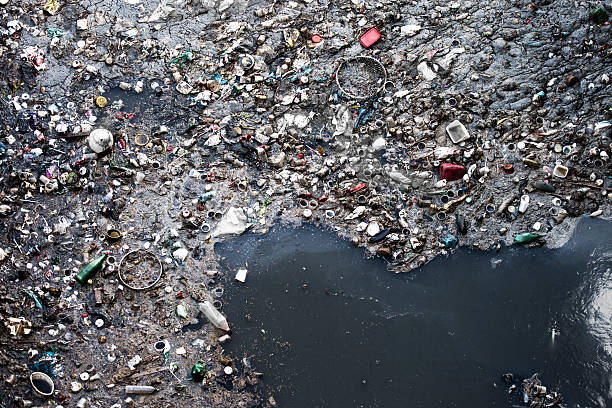
Who Bears Legal Responsibility for Pollution Damage?

Who Bears Legal Responsibility for Pollution Damage?, Community-wide environmental contamination

The question of legal responsibility for pollution damage is a complex web of intersecting principles, statutes, and evolving jurisprudence. In...

1 year ago Read More

Primary Causes of Liability for Groundwater and Soil Contamination

Primary Causes of Liability for Groundwater and Soil Contamination, Community-wide environmental contamination

The specter of groundwater and soil contamination represents one of the most persistent and costly environmental liabilities, carrying profound...

1 year ago Read More

Who Is Legally Liable for a Contaminated Product?

Who Is Legally Liable for a Contaminated Product?, Food contamination and packaging defects

When a consumer is harmed by a contaminated product—whether it is tainted food, a defective pharmaceutical, or a toxic children’s toy—a complex legal...

1 year ago Read More
Chemical Spill Into River: Who Pays for Damaged Farmland?

Chemical Spill Into River: Who Pays for Damaged Farmland?, Chemical spills and emergency exposure

A factory upstream releases a batch of industrial chemicals into a river. Within hours, the contamination spreads downstream. Farmers who rely on...

1 year ago Read More

Looking for a Lawyer?
.
help_outline

Frequently Asked Questions

Get answers to the most common liability case queries.

Can a business sue for a single bad review?
Yes, but it is difficult and often not practical. A single review must be exceptionally damaging and clearly false to justify the cost and public relations risk of a lawsuit. Courts are wary of lawsuits that could silence legitimate criticism. A pattern of fake reviews, especially from a single source or competitor, presents a much stronger case. The review must allege a specific, provable falsehood, not just hyperbolic negative opinion, to have legal merit for a defamation claim.
What should I do immediately after a serious recreational injury?
First, seek immediate medical attention and document your injuries. Report the incident to the facility, league, or event organizer and ensure an official report is filed. Gather evidence: take photos of the hazard, get contact information from witnesses, and preserve any damaged equipment. Avoid giving detailed statements or signing anything from an insurer without understanding it. Promptly consulting a lawyer can help protect your rights and determine if negligence played a role.
What is comparative negligence, and how does it affect a claim?
Comparative negligence reduces a plaintiff’s compensation if they are partly at fault for their own injury. In most states, if you are found to be 50% responsible for an accident, your financial award is reduced by 50%. Some states bar recovery if you are 51% or more at fault. This system aims to assign financial responsibility fairly based on each party’s share of the blame. It requires the court or jury to assign a precise percentage of fault to everyone involved in the incident.
What kind of damages can someone recover if they win?
A successful plaintiff can recover several types of damages. Compensatory damages cover actual losses like lost income, business opportunities, and therapy costs. General damages compensate for harm to reputation and emotional suffering, which the law presumes occurs from defamation. In rare cases of extremely malicious or reckless conduct, a court may award punitive damages. These are meant to punish the wrongdoer and deter similar behavior, not just compensate the victim. The total amount depends heavily on the severity of the harm and the conduct of the accuser.