Boating and watercraft accidents

Boating Accident Liability: The Duty to Maintain a Proper Lookout

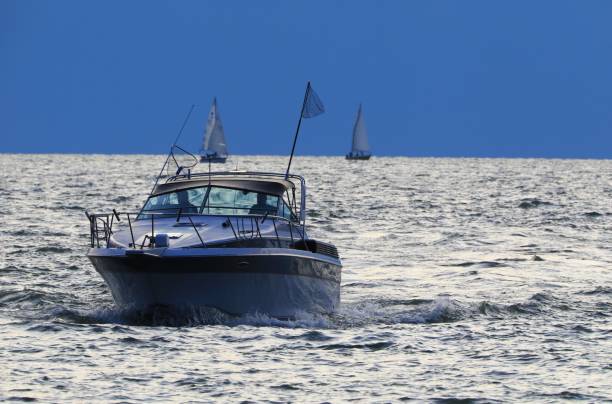
Boating Accident Liability: The Duty to Maintain a Proper Lookout, Boating and watercraft accidents

Every boat operator on the water carries a legal obligation that is almost identical to the one a driver has on the road: the duty to act with...

2 months ago Read More
Distracted Boating: Who Pays When Attention Drifts?

Distracted Boating: Who Pays When Attention Drifts?, Boating and watercraft accidents

Operating a boat is not a casual pastime. It is a legal responsibility that carries the same weight as driving a car on a public highway. When a boat...

4 months ago Read More
Understanding Personal Injury Liability: Who Pays When Someone Gets Hurt

Understanding Personal Injury Liability: Who Pays When Someone Gets Hurt, Car accident fault and liability

Personal injury liability is the legal rule that makes one person or company financially responsible for harming another through carelessness or...

1 year ago Read More
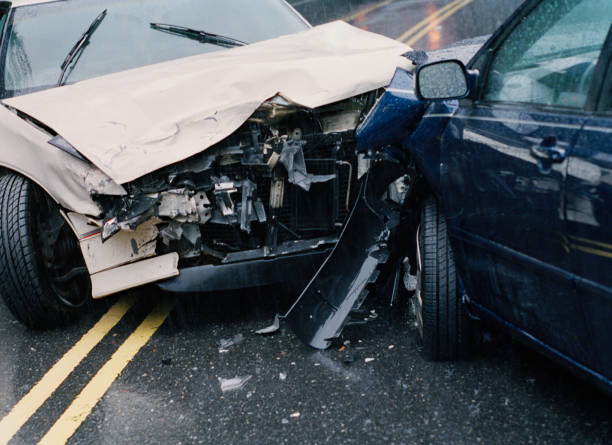
Understanding Fault in Car Accident Personal Injury Cases

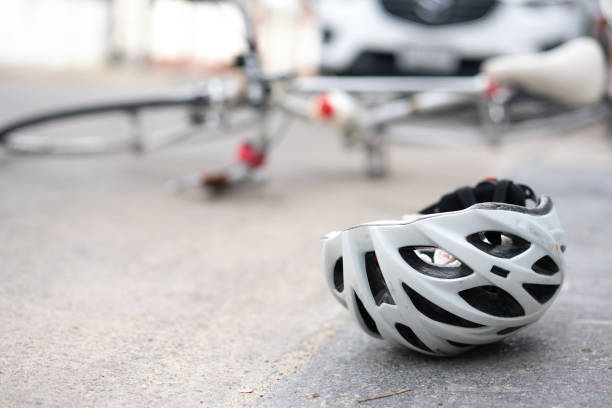
Understanding Fault in Car Accident Personal Injury Cases, Car accident fault and liability

When a car accident happens, the immediate chaos is often followed by a single, critical question: who is at fault? In the realm of personal injury...

1 year ago Read More

Understanding Slip and Fall Accident Liability

Understanding Slip and Fall Accident Liability, Slip and fall injury claims

A slip and fall accident is exactly what it sounds like: you lose your footing, hit the ground, and get hurt. While sometimes these are simple...

1 year ago Read More
Understanding Medical Malpractice: When Healthcare Harms

Understanding Medical Malpractice: When Healthcare Harms, Misdiagnosis and delayed diagnosis claims

Medical malpractice occurs when a healthcare professional, through a negligent act or omission, causes injury to a patient. This negligence...

1 year ago Read More
Understanding Assault and Battery Injuries in Personal Injury Cases

Understanding Assault and Battery Injuries in Personal Injury Cases, Assault and battery civil liability

Assault and battery are not just criminal charges; they are also the basis for serious personal injury lawsuits. When someone intentionally causes...

1 year ago Read More
Understanding Wrongful Death Claims: A Guide for Families

Understanding Wrongful Death Claims: A Guide for Families, Burden of proof and evidence standards

A wrongful death case is a civil lawsuit brought when someone’s death is caused by the negligent, reckless, or intentional act of another person or...

1 year ago Read More
Understanding Liability for Sports and Recreational Injuries

Understanding Liability for Sports and Recreational Injuries, Recreational activity injury liability

Participating in sports and recreational activities is an excellent way to stay healthy and have fun, but it also comes with an inherent risk of...

1 year ago Read More
Looking for a Lawyer?
.
help_outline

Frequently Asked Questions

Get answers to the most common liability case queries.

What if my injury was caused by a defective product or machine at work?
You may have a product liability claim against the manufacturer. Workers’ compensation covers you regardless of fault, but it doesn’t prevent you from suing a third party whose negligence caused your harm. If a tool, machine, or chemical was defectively designed, manufactured, or lacked proper warnings, the company that made or sold it can be held responsible. This lawsuit is separate from your workers’ comp claim and can seek compensation for pain and suffering, which workers’ comp typically does not cover.
What if the injured person also broke some safety rules?
This situation involves “comparative fault.“ The court will assign a percentage of blame to each party. For example, if a worker is injured but was also not wearing required safety gear, they might be found 30% at fault. Their financial compensation would then be reduced by that 30%. In some places, if the injured party is found more than 50% at fault, they may be barred from recovering any money at all.
How do community-wide pollution cases differ from individual claims?
Community cases, often called class actions, involve many people harmed by the same source, like a factory polluting a neighborhood. These are efficient for handling widespread, similar injuries and carry more collective power against a large company. Individual claims are for unique, severe harms, like a worker developing a rare cancer from workplace fumes. The process and potential outcomes differ, with class actions seeking solutions for the whole group, while individual suits focus on specific compensation for one person or family.
What is the legal standard for when police force becomes “excessive”?
The legal standard is “objective reasonableness.“ Force is excessive if a reasonable officer in the same situation would not have used it. Courts look at the severity of the crime, whether the person posed an immediate threat, and if they were actively resisting or trying to escape. The officer’s intent is irrelevant; the question is whether their actions were justified based on the facts they faced at that moment. This standard comes from the Fourth Amendment’s protection against unreasonable seizures.