
Where to search for a qualified lawyer

State Bar Referral Services: A Reliable First Stop for Liability Cases

State Bar Referral Services: A Reliable First Stop for Liability Cases, Where to search for a qualified lawyer

When you need a lawyer for a personal injury, property damage, or other liability claim, the search can feel overwhelming. You have thousands of...

1 month ago Read More
Using Bar Association Referrals to Find a Liability Lawyer

Using Bar Association Referrals to Find a Liability Lawyer, Where to search for a qualified lawyer

When you need a lawyer for a liability case, the last thing you want is to waste time with a random online ad. You want someone who knows the law...

1 month ago Read More

Start Your Search for a Liability Lawyer at the State Bar Website

Start Your Search for a Liability Lawyer at the State Bar Website, Where to search for a qualified lawyer

The state bar website is the only official directory of licensed attorneys in your state. It is free, public, and constantly updated. Most bar...

1 month ago Read More
Discriminatory Steering: When Landlords Control Where You Live

Discriminatory Steering: When Landlords Control Where You Live, Civil rights and wrongful incarceration liability

A landlord or rental agent shows you available apartments, but somehow every option is in a neighborhood where people of your race or ethnicity are...

11 months ago Read More

Understanding Personal Injury Liability: Who Pays When Someone Gets Hurt

Understanding Personal Injury Liability: Who Pays When Someone Gets Hurt, Car accident fault and liability

Personal injury liability is the legal rule that makes one person or company financially responsible for harming another through carelessness or...

1 year ago Read More
Understanding Fault in Car Accident Personal Injury Cases

Understanding Fault in Car Accident Personal Injury Cases, Car accident fault and liability

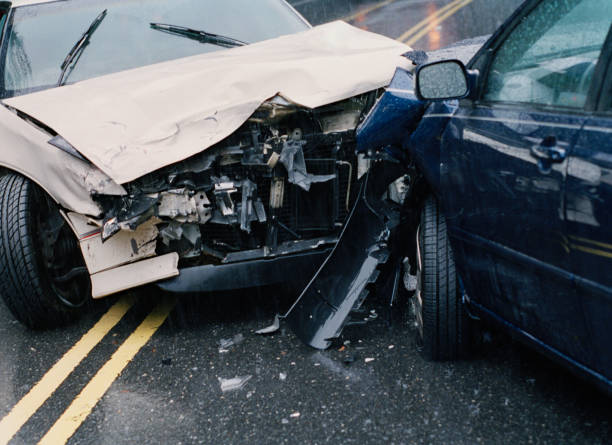
When a car accident happens, the immediate chaos is often followed by a single, critical question: who is at fault? In the realm of personal injury...

1 year ago Read More

Understanding Slip and Fall Accident Liability

Understanding Slip and Fall Accident Liability, Slip and fall injury claims

A slip and fall accident is exactly what it sounds like: you lose your footing, hit the ground, and get hurt. While sometimes these are simple...

1 year ago Read More

Understanding Medical Malpractice: When Healthcare Harms

Understanding Medical Malpractice: When Healthcare Harms, Misdiagnosis and delayed diagnosis claims

Medical malpractice occurs when a healthcare professional, through a negligent act or omission, causes injury to a patient. This negligence...

1 year ago Read More

Understanding Assault and Battery Injuries in Personal Injury Cases

Understanding Assault and Battery Injuries in Personal Injury Cases, Assault and battery civil liability

Assault and battery are not just criminal charges; they are also the basis for serious personal injury lawsuits. When someone intentionally causes...

1 year ago Read More

Looking for a Lawyer?
.
help_outline

Frequently Asked Questions

Get answers to the most common liability case queries.

Are opinions protected from legal liability?
Generally, pure opinions are protected. This is a statement that cannot be proven true or false (e.g., “I think he’s a bad manager”). However, stating a damaging opinion that implies undisclosed, false facts can cross into defamation. For example, “In my opinion, she stole from the company” suggests a factual basis for theft. If that factual basis is false, the statement may be actionable. The context of the statement is critically examined.
What types of damages can someone sue for in these cases?
A plaintiff can sue for two main categories of damages. “Economic damages” cover quantifiable financial losses like medical bills, lost wages, and repair costs. “Non-economic damages” compensate for intangible harms such as pain and suffering, emotional distress, and loss of enjoyment of life. In rare cases involving extreme recklessness or intentional misconduct, “punitive damages” may be awarded to punish the defendant and deter similar future behavior.
What is Employer Liability and When Does it Apply?
Employer liability is the legal responsibility a company holds for the actions, safety, and well-being of its employees while they are working. It applies in three main situations: when an employee is injured on the job (workers’ compensation), when an employee causes harm to a third party while doing their job, and when the company itself creates a harmful environment through negligence or illegal actions. Essentially, the employer can be held accountable for workplace injuries, employee misconduct during work, and for failing to provide a safe and lawful workplace.
What kinds of activities typically fall under Strict Liability rules?
Strict liability primarily applies to three areas: defective products, abnormally dangerous activities, and animal trespass or attacks. Abnormally dangerous activities are those that are not common in the area and pose a foreseeable, serious risk even when reasonable care is taken. Classic examples include using explosives, storing large quantities of flammable liquids, or keeping wild animals. Manufacturing a product with a hidden flaw that injures a consumer is also a core example.