Understanding attorney fee structures

Contingency Fees: What You Actually Pay When You Hire a Liability Lawyer

Contingency Fees: What You Actually Pay When You Hire a Liability Lawyer, Understanding attorney fee structures
Most people facing a liability case are already dealing with medical bills, lost wages, or property damage. The last thing they need is a lawyer who...

1 month ago Read More
Contingency Fees: What They Mean for Your Liability Case

Contingency Fees: What They Mean for Your Liability Case, Understanding attorney fee structures

If you have been injured or suffered a loss because of someone else’s negligence, the first question on your mind is often about money. Not just the...

2 months ago Read More
Contingency Fees Explained: How Liability Lawyers Get Paid

Contingency Fees Explained: How Liability Lawyers Get Paid, Understanding attorney fee structures

If you’ve been harmed by someone else’s negligence, you may not have the cash to pay a lawyer by the hour. That’s the reason contingency fees exist...

2 months ago Read More
Understanding Personal Injury Liability: Who Pays When Someone Gets Hurt

Understanding Personal Injury Liability: Who Pays When Someone Gets Hurt, Car accident fault and liability

Personal injury liability is the legal rule that makes one person or company financially responsible for harming another through carelessness or...

1 year ago Read More
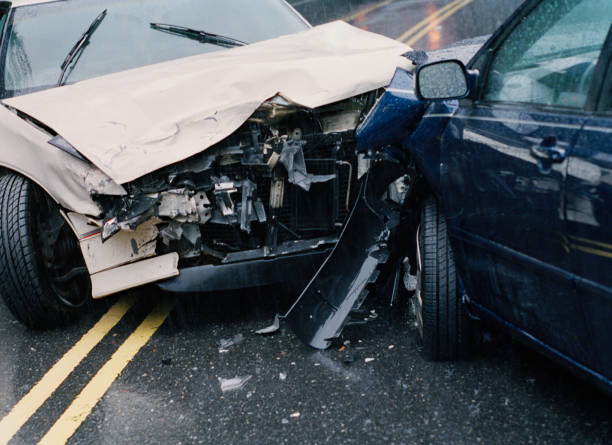
Understanding Fault in Car Accident Personal Injury Cases

Understanding Fault in Car Accident Personal Injury Cases, Car accident fault and liability

When a car accident happens, the immediate chaos is often followed by a single, critical question: who is at fault? In the realm of personal injury...

1 year ago Read More

Understanding Slip and Fall Accident Liability

Understanding Slip and Fall Accident Liability, Slip and fall injury claims

A slip and fall accident is exactly what it sounds like: you lose your footing, hit the ground, and get hurt. While sometimes these are simple...

1 year ago Read More

Understanding Medical Malpractice: When Healthcare Harms

Understanding Medical Malpractice: When Healthcare Harms, Misdiagnosis and delayed diagnosis claims

Medical malpractice occurs when a healthcare professional, through a negligent act or omission, causes injury to a patient. This negligence...

1 year ago Read More

Understanding Assault and Battery Injuries in Personal Injury Cases

Understanding Assault and Battery Injuries in Personal Injury Cases, Assault and battery civil liability

Assault and battery are not just criminal charges; they are also the basis for serious personal injury lawsuits. When someone intentionally causes...

1 year ago Read More
Understanding Wrongful Death Claims: A Guide for Families

Understanding Wrongful Death Claims: A Guide for Families, Burden of proof and evidence standards

A wrongful death case is a civil lawsuit brought when someone’s death is caused by the negligent, reckless, or intentional act of another person or...

1 year ago Read More

Looking for a Lawyer?
.
help_outline

Frequently Asked Questions

Get answers to the most common liability case queries.

Who Can Be Sued for a Civil Rights Violation?
You can sue individual government employees (like police officers or prison guards) and the government agencies that employ them. Suing an individual officer is common for actions like unlawful arrest. Suing the agency, like a city or county, is more complex; you must prove the violation resulted from an official policy, widespread custom, or a failure to properly train or supervise employees. You generally cannot sue the state or federal government itself for money damages under the primary civil rights law, due to sovereign immunity protections.
Can I sue for damages beyond just the cost of repair?
Yes, you can often recover additional damages. These can include costs for temporary repairs, increased utility bills from the faulty system, damage to your personal property (like ruined furniture or flooring), and expenses for temporary housing if the home is uninhabitable. The goal is to financially put you back in the position you would have been in if the work had been done correctly. You generally cannot recover for purely emotional distress unless the negligence was extreme.
Can a property owner be liable for “natural” ice accumulation?
Yes, in many situations. The key is whether the owner had a reasonable opportunity to discover and address the hazard. While an owner may not be liable for a sudden, unexpected ice patch, they are typically responsible for hazards that develop over time and that they should have known about. For example, if melting snow refreezes overnight on their walkway, they likely have a duty to treat it with salt or sand by the morning.
How is “carelessness” or “distraction” legally proven?
It is proven by evidence showing a deviation from the standard of reasonable care. Witness testimony, security footage, phone records (for texting), or accident reconstruction reports are key. In professional settings, expert witnesses often explain what the proper standard of care was and how the defendant’s actions fell short. The focus is on what a reasonably careful person or professional would have done in that specific circumstance, and how the defendant’s conduct did not meet that benchmark.