Snow and ice removal liability

The Storm in Progress Doctrine and Snow Removal Liability

The Storm in Progress Doctrine and Snow Removal Liability, Snow and ice removal liability

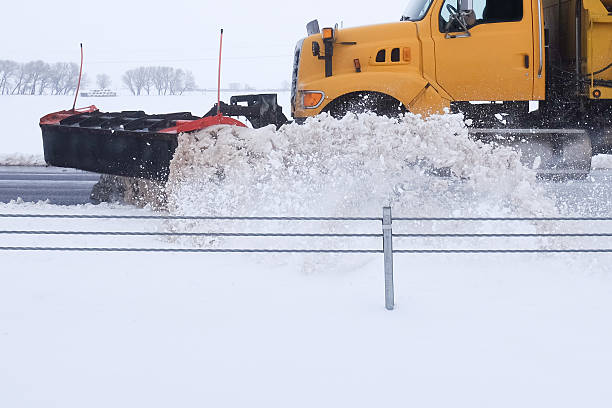
When winter arrives, so do slip and fall accidents. Property owners face lawsuits from people injured on snowy walkways. A common defense is the...

13 days ago Read More
The Storm in Progress Doctrine and Your Legal Duty to Clear Snow

The Storm in Progress Doctrine and Your Legal Duty to Clear Snow, Snow and ice removal liability

Nobody expects you to shovel snow while a blizzard is still dumping three inches an hour. That common sense idea is what the law calls the “storm in...

2 months ago Read More
The Natural Accumulation Rule in Snow and Ice Liability Cases

The Natural Accumulation Rule in Snow and Ice Liability Cases, Snow and ice removal liability

When you slip on a patch of ice in a parking lot or trip over a frozen ridge of snow on a sidewalk, the first question that comes to mind is who is...

5 months ago Read More
Falling Icicles and Roof Snow: A Hidden Premises Liability Threat

Falling Icicles and Roof Snow: A Hidden Premises Liability Threat, Snow and ice removal liability

When you think about falling objects on someone else’s property, you probably imagine a loose brick, a collapsing shelf, or a sign that wasn’t bolted...

5 months ago Read More
The Storm in Progress Rule: Why Property Owners Are Not Liable During an Active Blizzard

The Storm in Progress Rule: Why Property Owners Are Not Liable During an Active Blizzard, Snow and ice removal liability

If you slip and fall on an icy sidewalk, your first instinct might be to sue the property owner for not clearing the ice. But the law does not...

6 months ago Read More
The Duty to Remove Snow and Ice: Understanding ’Reasonable Time’

The Duty to Remove Snow and Ice: Understanding ’Reasonable Time’, Snow and ice removal liability

If you own a property, you have a legal responsibility to keep it reasonably safe for anyone who enters legally. That includes customers, guests...

6 months ago Read More
The Reasonable Time Rule: When Snow and Ice Removal Becomes Your Legal Duty

The Reasonable Time Rule: When Snow and Ice Removal Becomes Your Legal Duty, Snow and ice removal liability

If you own or manage a property, you already know you have a duty to keep it safe. But when it comes to snow and ice, the law does not expect you to...

9 months ago Read More
The Natural Accumulation Rule: Why Property Owners Often Escape Liability for Ice and Snow

The Natural Accumulation Rule: Why Property Owners Often Escape Liability for Ice and Snow, Snow and ice removal liability

When you slip on ice or snow on someone else’s property, your first instinct is to blame the owner. But the law does not automatically agree with...

9 months ago Read More
The Duty to Clear Snow: How Much Time Does a Property Owner Have?

The Duty to Clear Snow: How Much Time Does a Property Owner Have?, Snow and ice removal liability

If you slip and fall on ice or snow that was never removed from a sidewalk, parking lot, or store entrance, you might assume the property owner is...

1 year ago Read More
Looking for a Lawyer?
.
help_outline

Frequently Asked Questions

Get answers to the most common liability case queries.

What makes a children’s product legally “faulty” or defective?
A product is considered legally faulty if it has a dangerous flaw in its design, manufacturing, or warnings. A design defect means the product is inherently unsafe as conceived. A manufacturing defect means a single item was poorly made, differing from the safe intended design. A warning defect occurs when a product lacks adequate instructions or fails to clearly warn of hidden dangers, especially for risks not obvious to a reasonable parent or child.
What is “Negligent Hiring” and How Can Employers Avoid It?
Negligent hiring is a claim made when an employer fails to use reasonable care in selecting an employee, who then causes harm to a co-worker or customer. This can happen if the company skipped basic background checks for a position of trust, ignored clear red flags in an applicant’s history, or hired someone grossly unqualified for a risky job. To avoid it, employers must conduct thorough, job-relevant screenings (criminal checks, reference verification, license confirmation) for all positions, especially those involving safety, security, or public interaction.
What are the main types of costs under environmental liability?
Costs go far beyond just removing contaminated soil. Major expenses include the full technical cleanup (remediation), ongoing monitoring, legal fees, and fines. You may also face substantial costs for restoring damaged natural resources and compensating third parties for property damage or personal injury. These liabilities can be enormous, often exceeding the property’s value, and can emerge decades after the polluting activity stopped, creating major financial surprises.
What is the most common basis for a negligence claim against a daycare or school?
The most common basis is a failure in supervision. Schools and daycares have a legal duty to provide adequate oversight for children’s safety. A claim arises when this duty is breached, directly causing an injury. Examples include a child wandering off premises, severe bullying that staff ignored, or a preventable playground accident. The key is proving that reasonable supervision would have stopped the harm. It’s not about every minor scrape, but about clear failures that lead to significant physical or emotional injury.