Mold and indoor air quality liability

Mold and the Duty to Remediate: Legal Liability for Indoor Air Quality Failures

Mold and the Duty to Remediate: Legal Liability for Indoor Air Quality Failures, Mold and indoor air quality liability
Mold in a building is rarely just an eyesore or a smell. When water gets into walls, ceilings, carpets, or HVAC systems, mold can spread fast, and...

1 month ago Read More
How Faulty Design Leads to Water Damage and Mold: Who Pays?

How Faulty Design Leads to Water Damage and Mold: Who Pays?, Mold and indoor air quality liability

A building that leaks is not just an annoyance. Water intrusion damages drywall, rots framing, destroys insulation, and fuels mold growth that can...

11 months ago Read More
How Faulty Building Design and Plans Lead to Legal Liability

How Faulty Building Design and Plans Lead to Legal Liability, Construction site injury liability

Faulty building design and plans are a primary source of legal liability in construction, creating a chain of problems that can lead to catastrophic...

1 year ago Read More
The High Cost of Cutting Corners: Poor Workmanship and Building Defects

The High Cost of Cutting Corners: Poor Workmanship and Building Defects, Construction site injury liability

When you hire someone to build or repair your property, you are buying a promise. The promise is that the work will be done with reasonable skill and...

1 year ago Read More
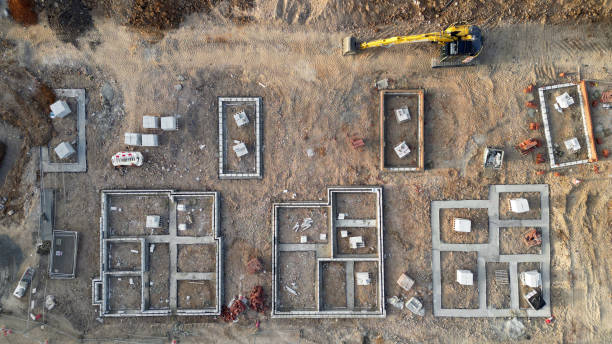
The High Cost of Cutting Corners: Understanding Building Code Violations

The High Cost of Cutting Corners: Understanding Building Code Violations, Construction site injury liability

Building codes are not suggestions. They are the hard-earned rulebook for safety, written in the aftermath of disasters and failures. When these...

1 year ago Read More

The High Cost of Faulty Electrical and Plumbing Work

The High Cost of Faulty Electrical and Plumbing Work, Construction site injury liability

Faulty electrical or plumbing work in a construction project is not just an inconvenience; it is a serious failure that can lead to catastrophic...

1 year ago Read More
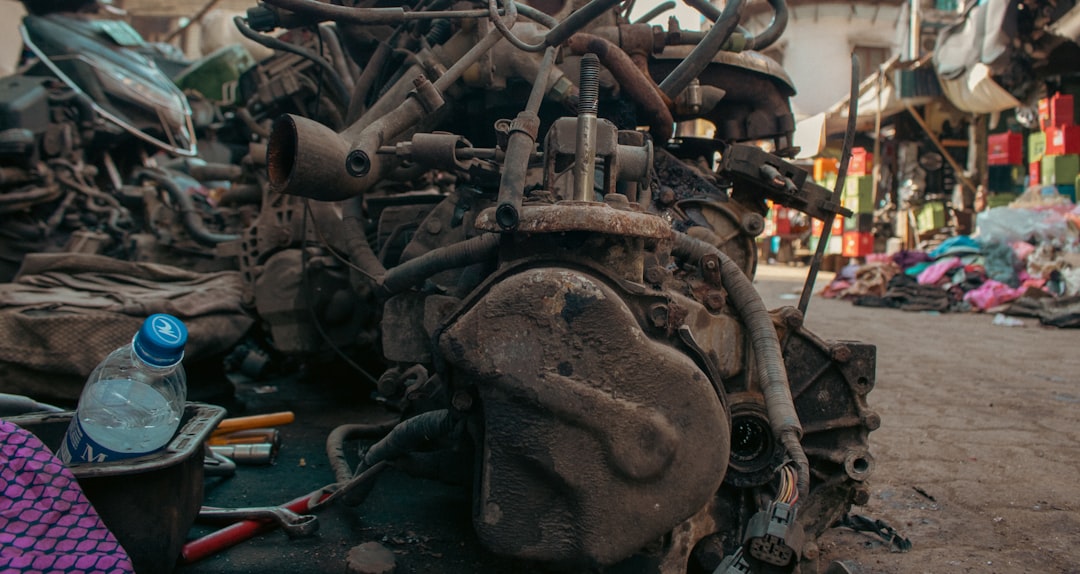
The Hidden Dangers: How Poor Maintenance Leads to Catastrophic Accidents

The Hidden Dangers: How Poor Maintenance Leads to Catastrophic Accidents, Premises liability for invitees vs trespassers

In our modern world, we rely on a vast and interconnected network of infrastructure, machinery, and vehicles. The safe operation of these systems is...

1 year ago Read More

Understanding Faulty Building Design: When Structures Fail to Meet Standards

Understanding Faulty Building Design: When Structures Fail to Meet Standards, Construction site injury liability

A faulty building design is one that fails to meet the fundamental requirements of safety, functionality, and durability, thereby posing risks to...

1 year ago Read More

Common Workplace Hazards and the Injuries They Cause

Common Workplace Hazards and the Injuries They Cause, Construction site accident liability

Workplace hazards are an unfortunate reality across many industries, and understanding the specific injuries they cause is crucial for prevention and...

1 year ago Read More

Looking for a Lawyer?
.
help_outline

Frequently Asked Questions

Get answers to the most common liability case queries.

When is an Employer Liable for Harassment or Discrimination?
An employer is liable for workplace harassment or discrimination if it is committed by a supervisor, or if the company knew or should have known about misconduct by co-workers or non-employees and failed to take immediate and appropriate corrective action. This includes harassment based on sex, race, religion, age, disability, and other protected characteristics. To limit liability, employers must have clear, communicated anti-harassment policies, provide regular training, and establish a reliable procedure for employees to report complaints without fear of retaliation, followed by prompt and thorough investigations.
What are an employer’s main legal duties to prevent liability?
Employers have a clear duty to take reasonable steps to prevent and correct harassment. This includes establishing, distributing, and enforcing a clear anti-harassment policy with a safe complaint procedure. They must train employees and managers on this policy. When a complaint is made, the employer must conduct a prompt, thorough, and impartial investigation. If harassment is found, they must take immediate and appropriate corrective action to stop it and prevent recurrence.
How is a manufacturing flaw different from a design flaw?
A manufacturing flaw is a mistake in building one specific product, making it uniquely dangerous. A design flaw is a mistake in the product’s blueprint, making every product made to that plan inherently dangerous. For instance, a chair with a weak leg design (flaw in all chairs) versus a single chair where a leg wasn’t glued properly (flaw in that one chair). Legally, proving a manufacturing defect is often simpler because you only need to show the one product failed to meet its own correct specifications.
What does “unreasonably dangerous” mean in a design defect case?
“Unreasonably dangerous” means the product’s design presents a danger that goes beyond what an ordinary consumer would expect, and this danger outweighs any usefulness or benefit of the design. It’s a balancing test. A kitchen knife is expected to be sharp, but a toaster that electrocutes users under normal conditions is unreasonably dangerous. The law asks if the social benefits of the design outweigh its inherent risks, or if a safer design was reasonably possible.