Mercury and heavy metal toxicity

Proving Causation in Mercury Exposure Lawsuits

Proving Causation in Mercury Exposure Lawsuits, Mercury and heavy metal toxicity

Mercury is a potent neurotoxin. When someone suffers from mercury poisoning, they often look for someone to blame. In legal terms, these cases fall...

2 days ago Read More
Proving Mercury Caused Your Injury: The Core of Toxic Tort Claims

Proving Mercury Caused Your Injury: The Core of Toxic Tort Claims, Mercury and heavy metal toxicity

If you are sick and you know you were around mercury, you might assume that is enough to sue the company responsible. It is not. In any toxic tort...

1 month ago Read More
Liability for Heavy Metals in Baby Food and Supplements

Liability for Heavy Metals in Baby Food and Supplements, Mercury and heavy metal toxicity

When you buy a jar of baby food or a bottle of daily vitamins, you assume it is safe. The law recognizes that assumption and imposes serious...

8 months ago Read More
The Primary Sources of Contamination in Our Drinking Water

The Primary Sources of Contamination in Our Drinking Water, Community-wide environmental contamination

Access to clean drinking water is a cornerstone of public health, yet water sources globally are perpetually vulnerable to contamination from a wide...

1 year ago Read More

The Toxic Air Pollutants Most Frequently at the Heart of Legal Battles

The Toxic Air Pollutants Most Frequently at the Heart of Legal Battles, Community-wide environmental contamination

The air we breathe, when contaminated by industrial activity, can become a silent vector for disease and environmental degradation, often culminating...

1 year ago Read More

Common Illegal Dumping Practices That Trigger Environmental Liability

Common Illegal Dumping Practices That Trigger Environmental Liability, Community-wide environmental contamination

The clandestine and improper disposal of waste, known as illegal dumping, represents a significant environmental and legal challenge. While the image...

1 year ago Read More

Understanding Personal Injury Liability: Who Pays When Someone Gets Hurt

Understanding Personal Injury Liability: Who Pays When Someone Gets Hurt, Car accident fault and liability

Personal injury liability is the legal rule that makes one person or company financially responsible for harming another through carelessness or...

1 year ago Read More
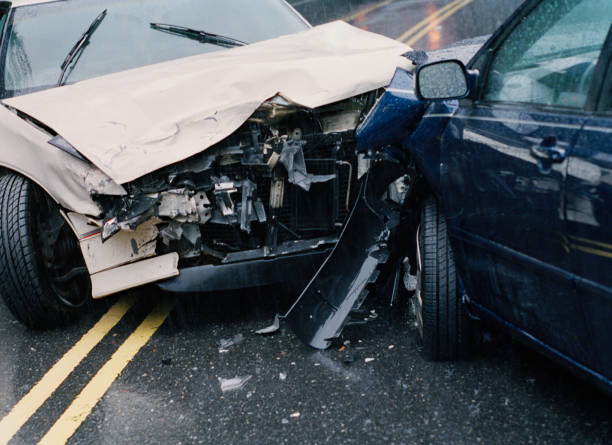
Understanding Fault in Car Accident Personal Injury Cases

Understanding Fault in Car Accident Personal Injury Cases, Car accident fault and liability

When a car accident happens, the immediate chaos is often followed by a single, critical question: who is at fault? In the realm of personal injury...

1 year ago Read More

Understanding Slip and Fall Accident Liability

Understanding Slip and Fall Accident Liability, Slip and fall injury claims

A slip and fall accident is exactly what it sounds like: you lose your footing, hit the ground, and get hurt. While sometimes these are simple...

1 year ago Read More
Looking for a Lawyer?
.
help_outline

Frequently Asked Questions

Get answers to the most common liability case queries.

Can We Be Liable for an Employee We Shouldn’t Have Hired?
Yes, this is “negligent hiring” liability. It applies when an employer fails to conduct a reasonable background check for a position, hires someone obviously unfit, and that person then causes harm. If a school hires a bus driver without checking their driving record, which reveals multiple DUIs, and the driver then causes a crash, the school is liable. The harm must be related to the risk the background check should have uncovered. The key is the employer’s careless hiring decision.
What is the core difference between a manufacturing defect and a design defect?
A manufacturing defect means a single product was built incorrectly, like a bike with a cracked frame. A design defect is more serious: it means every product made to that design is inherently dangerous, even if perfectly manufactured. The flaw is in the blueprint itself. For example, if a car’s design places the fuel tank where any rear-end collision causes an explosion, that is a defective design. The entire product line is considered unreasonably dangerous, not just one-off faulty items.
What are the most common hazards in defective children’s products?
Common hazards include choking risks from small parts that detach, strangulation risks from long cords, toxic materials like lead paint, flammable sleepwear or costumes, and mechanical dangers like sharp edges or pinching points. Products that collapse, tip over, or trap children are also frequent sources of injury. These hazards often violate established federal safety standards set by the Consumer Product Safety Commission (CPSC).
What is the difference between a violation and “gross negligence”?
A simple violation is a failure to follow a specific safety rule. Gross negligence is a much more serious disregard for safety. It means the employer knew about a severe danger and consciously chose not to fix it, or acted with reckless indifference to employee safety. Examples include removing safety devices to speed up production or knowingly forcing workers into a life-threatening situation. Gross negligence can lead to massive fines, punitive damages in lawsuits, and potential criminal prosecution.