Legal malpractice claims

The Trial Within a Trial: Proving Your Attorney’s Negligence Cost You a Win

The Trial Within a Trial: Proving Your Attorney’s Negligence Cost You a Win, Legal malpractice claims

When you hire a lawyer, you expect competence. But what happens when your lawyer’s mistake destroys your case? You might think a simple error is...

1 month ago Read More
Causation: The Hurdle That Defines Legal Malpractice Claims

Causation: The Hurdle That Defines Legal Malpractice Claims, Legal malpractice claims

When a lawyer’s mistake ruins your case, you might assume that winning a malpractice lawsuit is automatic. It is not. The single most difficult part...

2 months ago Read More
Proving Causation in Legal Malpractice

Proving Causation in Legal Malpractice, Legal malpractice claims

When a lawyer’s mistake ruins a legitimate case, the client often assumes the attorney must pay for the loss. That seems fair. But the law does not...

5 months ago Read More
Understanding Disclaimers: A Professional’s Shield or a False Sense of Security?

Understanding Disclaimers: A Professional’s Shield or a False Sense of Security?, Legal malpractice claims

In an increasingly litigious world, professionals across fields—from financial advisors and fitness trainers to software developers and...

1 year ago Read More
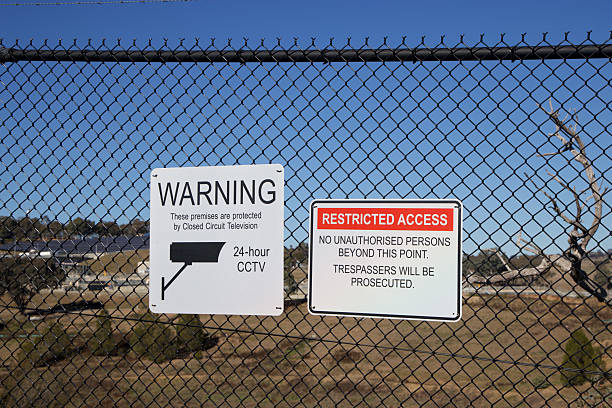
How Poor Security Can Lead to Serious Injury and Legal Responsibility

How Poor Security Can Lead to Serious Injury and Legal Responsibility, Premises liability for invitees vs trespassers

When you enter a store, an apartment building, a parking garage, or a hotel, you have a basic expectation of safety. You trust that the property...

1 year ago Read More

How Poor Lighting Creates Legal Liability for Property Owners

How Poor Lighting Creates Legal Liability for Property Owners, Premises liability for invitees vs trespassers

Poor lighting in dangerous areas is not just an inconvenience; it is a direct cause of serious injuries and a clear source of legal liability for...

1 year ago Read More

Understanding Employer Liability: When a Company is Legally Responsible

Understanding Employer Liability: When a Company is Legally Responsible, Vicarious liability and respondeat superior

Employer liability is the legal principle that holds a company accountable for the actions, safety, and conduct of its employees while they are doing...

1 year ago Read More

Understanding Negligence Liability: When Carelessness Becomes a Legal Case

Understanding Negligence Liability: When Carelessness Becomes a Legal Case, Product-related personal injury claims

Negligence liability is the most common legal theory for holding someone financially responsible for causing harm. At its core, it is about...

1 year ago Read More

The High Cost of Not Paying Attention: How Carelessness Creates Legal Liability

The High Cost of Not Paying Attention: How Carelessness Creates Legal Liability, Burden of proof and evidence standards

At its core, the law of negligence is about one simple, universal standard: act with reasonable care. When you fail to meet that standard and someone...

1 year ago Read More

Looking for a Lawyer?
.
help_outline

Frequently Asked Questions

Get answers to the most common liability case queries.

What is the basic idea behind premises liability?
Premises liability holds a property owner or occupier legally responsible for injuries that occur on their property due to unsafe conditions. The core principle is that those who control land must act with reasonable care to keep it safe for visitors. This means they must regularly inspect the property, fix dangerous problems, or at least provide clear warnings about hazards that can’t be fixed immediately. It applies to homes, stores, offices, and public spaces.
Where do these incidents commonly occur?
These cases frequently arise in locations where people are particularly vulnerable or where crime is foreseeable. Common settings include apartment complexes, hotel parking garages, shopping mall lots, nightclubs, and college campuses. The key factor is often the property’s history. For example, an apartment building with multiple prior break-ins has a clear duty to enhance security. A remote business with no prior issues has a lesser duty, but still must provide basics like functional locks and adequate lighting.
Who can file a wrongful death lawsuit?
The right to file is typically limited by state law to specific, close surviving family members. This almost always includes the deceased person’s spouse, children (including adopted), and sometimes parents. If there is no immediate family, the personal representative of the deceased’s estate may file on behalf of other beneficiaries, like siblings or more distant relatives. The exact order of priority varies significantly from state to state, so local legal rules determine who has the standing to bring the claim.
What kinds of harm must be proven in a toxic air pollution case?
You must prove you suffered a tangible, documented harm. This primarily falls into two categories: personal injury (physical illnesses like respiratory disease, neurological damage, or cancer linked to the exposure) and property damage (contamination of soil, corrosion of structures, or persistent odors that ruin a home’s livability). The harm must be significant and directly connected to the specific toxic exposure, not a minor or general inconvenience. Medical records and expert testimony are usually required to establish this link.