
Insurance agent and broker negligence

When an Insurance Agent Fails to Get You the Coverage You Asked For

When an Insurance Agent Fails to Get You the Coverage You Asked For, Insurance agent and broker negligence

You tell an insurance agent exactly what you need. They say it’s handled. Later, a loss occurs, and you find the policy doesn’t cover it. That is the...

1 month ago Read More
Insurance Agent Negligence: When Your Broker Fails to Secure Coverage

Insurance Agent Negligence: When Your Broker Fails to Secure Coverage, Insurance agent and broker negligence
You pay a professional to protect you from risk. That is the deal. An insurance agent or broker takes your money, promises to find or maintain the...

5 months ago Read More
When Does an Insurance Company Act in Bad Faith?

When Does an Insurance Company Act in Bad Faith?, Insurance company bad faith

An insurance policy is a contract, and like every contract, it comes with an unwritten promise that both sides will deal honestly and fairly with...

3 months ago Read More
The Reasonable Basis Defense in Insurance Bad Faith Cases

The Reasonable Basis Defense in Insurance Bad Faith Cases, Insurance company bad faith

When an insurance company denies a claim, the policyholder often feels wronged. But being wrong is not the same as acting in bad faith. The law...

2 months ago Read More

Understanding Insurance Bad Faith Claims and Your Legal Rights

Understanding Insurance Bad Faith Claims and Your Legal Rights, Insurance company bad faith

When you buy an insurance policy, you are entering into a contract. The insurer promises to pay for covered losses. In exchange, you pay premiums...

1 month ago Read More

Proving Insurance Bad Faith: A Practical Guide for Policyholders

Proving Insurance Bad Faith: A Practical Guide for Policyholders, Insurance company bad faith

Insurance exists to provide a financial safety net. When you pay premiums, you buy a promise that the company will handle your claim honestly and pay...

1 month ago Read More
Bad Faith Refusal to Settle: The Hidden Trap in Liability Insurance

Bad Faith Refusal to Settle: The Hidden Trap in Liability Insurance, Insurance company bad faith

When you buy liability insurance, you are buying peace of mind. You expect the insurer to defend you against lawsuits and to pay valid claims up to...

29 days ago Read More
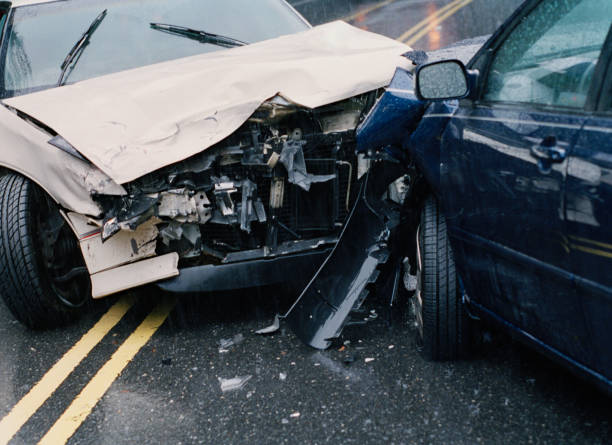
Understanding Fault in Car Accident Personal Injury Cases

Understanding Fault in Car Accident Personal Injury Cases, Car accident fault and liability

When a car accident happens, the immediate chaos is often followed by a single, critical question: who is at fault? In the realm of personal injury...

1 year ago Read More

Understanding Slip and Fall Accident Liability

Understanding Slip and Fall Accident Liability, Slip and fall injury claims

A slip and fall accident is exactly what it sounds like: you lose your footing, hit the ground, and get hurt. While sometimes these are simple...

1 year ago Read More

Looking for a Lawyer?
.
help_outline

Frequently Asked Questions

Get answers to the most common liability case queries.

What are the four basic elements needed to prove negligence?
To win a negligence case, a person must prove four things. First, the defendant owed them a duty of care (a legal obligation to act reasonably). Second, the defendant breached that duty by acting unreasonably or carelessly. Third, this breach directly caused the plaintiff’s injury. Fourth, the plaintiff suffered actual damages or losses, like medical bills or lost wages. If any one of these elements is missing, a negligence claim will fail. This structure is the core framework for almost all personal injury lawsuits.
What is the legal term for a lie that damages someone’s reputation?
The legal term is defamation. Defamation occurs when a false statement is communicated to a third party, harming a person’s or business’s reputation. If the statement is written, published online, or broadcast, it’s called libel. If it’s spoken, it’s called slander. The core idea is that the statement must be presented as fact, not opinion, and must cause real harm, such as lost business or public scorn. Truth is always a complete defense against a defamation claim.
What if I post an opinion instead of a fact?
Opinions are generally protected and cannot be the basis for a defamation claim. However, the line can be blurry. Calling a statement an “opinion” does not automatically shield you if it implies false, undisclosed facts. For example, “In my opinion, John is a thief” suggests you know facts about John stealing, which could be defamatory if untrue. Truly subjective opinions, like “John is a terrible artist,“ are usually safe from legal action.
What are the key laws governing environmental liability?
In the United States, the core laws are the Comprehensive Environmental Response, Compensation, and Liability Act (CERCLA or Superfund) for cleaning up hazardous waste sites, and the Resource Conservation and Recovery Act (RCRA) for managing active waste. Other critical laws include the Clean Water Act and Clean Air Act, which regulate pollution releases. These laws empower government agencies to order cleanups and sue for recovery of all costs.