Federal employee injury claims

The Federal Employees’ Compensation Act: Your Sole Remedy for On-the-Job Injuries

The Federal Employees’ Compensation Act: Your Sole Remedy for On-the-Job Injuries, Federal employee injury claims

If you work for the federal government, the rules for workplace injury liability are completely different from those that apply to private-sector...

1 month ago Read More
FECA Claim Denials: Your Appeal Rights Explained

FECA Claim Denials: Your Appeal Rights Explained, Federal employee injury claims

The Federal Employees’ Compensation Act, or FECA, is the only way most federal workers get paid for job-related injuries or illnesses. It is a...

1 month ago Read More
FECA Appeals: How to Fight a Denied Federal Injury Claim

FECA Appeals: How to Fight a Denied Federal Injury Claim, Federal employee injury claims

If you work for the federal government and get hurt on the job, your path to compensation runs through the Federal Employees’ Compensation Act, or...

3 months ago Read More
What Federal Employees Must Prove for a Work Injury Claim

What Federal Employees Must Prove for a Work Injury Claim, Federal employee injury claims

If you work for the federal government and get hurt on the job, your case is not handled by the same workers’ compensation system that covers...

4 months ago Read More
Understanding Employer Liability for Workplace Harassment and Bullying

Understanding Employer Liability for Workplace Harassment and Bullying, Workplace violence liability

Workplace harassment and bullying are not just internal personnel problems. They are serious issues that create direct legal and financial liability...

1 year ago Read More
Understanding Wrongful Firing and Discrimination Claims

Understanding Wrongful Firing and Discrimination Claims, Civil rights and wrongful incarceration liability

When you lose your job, it’s a gut punch. But when that termination crosses a legal line—when it’s not just unfair, but unlawful—you may have a claim...

1 year ago Read More

What is Environmental Liability and Who Has to Pay

What is Environmental Liability and Who Has to Pay, Community-wide environmental contamination

Environmental liability is the legal responsibility for fixing pollution or environmental damage you cause. It is not a single law but a powerful...

1 year ago Read More
The Tangled Mess of Illegal Dumping and Pollution

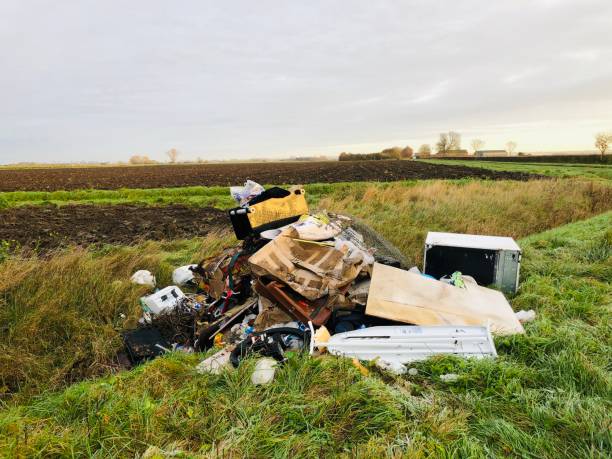
The Tangled Mess of Illegal Dumping and Pollution, Community-wide environmental contamination

Illegal dumping and pollution are not just eyesores or minor infractions. They are direct assaults on our shared environment that create a complex...

1 year ago Read More

The Hidden Crisis of Groundwater and Soil Contamination

The Hidden Crisis of Groundwater and Soil Contamination, Community-wide environmental contamination

Groundwater and soil contamination represents one of the most pervasive and costly forms of environmental damage. Unlike a visible spill, this...

1 year ago Read More
Looking for a Lawyer?
.
help_outline

Frequently Asked Questions

Get answers to the most common liability case queries.

What is the difference between a criminal case and a civil lawsuit in these incidents?
Criminal cases are brought by the state (e.g., a District Attorney) to punish an officer with fines or imprisonment, requiring proof “beyond a reasonable doubt.“ This is rare. Civil lawsuits are filed by the victim or their family to seek financial compensation for injuries or wrongful death. The burden of proof is lower (“preponderance of the evidence”), meaning it’s more likely than not that misconduct occurred. An officer can face both types of cases for the same incident.
What is the most common basis for a negligence claim against a daycare or school?
The most common basis is a failure in supervision. Schools and daycares have a legal duty to provide adequate oversight for children’s safety. A claim arises when this duty is breached, directly causing an injury. Examples include a child wandering off premises, severe bullying that staff ignored, or a preventable playground accident. The key is proving that reasonable supervision would have stopped the harm. It’s not about every minor scrape, but about clear failures that lead to significant physical or emotional injury.
What if the injured person also broke some safety rules?
This situation involves “comparative fault.“ The court will assign a percentage of blame to each party. For example, if a worker is injured but was also not wearing required safety gear, they might be found 30% at fault. Their financial compensation would then be reduced by that 30%. In some places, if the injured party is found more than 50% at fault, they may be barred from recovering any money at all.
Who can be held responsible for a product with a manufacturing defect?
Multiple parties in the supply chain can be held responsible. This typically includes the final product manufacturer that assembled the item. It can also include the manufacturer of a specific flawed component used in the final product. In many cases, the retailer that sold the product can also be held accountable, even if they didn’t make it, because they distributed a faulty item. Responsibility is often shared among these parties based on their role in bringing the defective product to market.