Church and nonprofit property claims

Church Property Liability: Who Is Responsible When Someone Gets Hurt?

Church Property Liability: Who Is Responsible When Someone Gets Hurt?, Church and nonprofit property claims

A church is not a business. A nonprofit is not a shopping mall. But when someone trips on a cracked sidewalk outside a Sunday service or slips on a...

1 month ago Read More

The Ecclesiastical Abstention Doctrine: Why Courts Intervene When Churches Neglect Their Duty

The Ecclesiastical Abstention Doctrine: Why Courts Intervene When Churches Neglect Their Duty, Sexual abuse and clergy liability

When a priest molests a child, the first question is why the church did not stop it. The legal answer often turns on an obscure rule called...

4 months ago Read More
When a Church Knows: Institutional Liability for Clergy Sexual Abuse

When a Church Knows: Institutional Liability for Clergy Sexual Abuse, Sexual abuse and clergy liability

Sexual abuse by a member of the clergy is not just a moral failure. It is a legal event that can pull the entire religious institution into court...

1 month ago Read More

When a Church Can Be Liable for a Priest’s Sexual Abuse

When a Church Can Be Liable for a Priest’s Sexual Abuse, Sexual abuse and clergy liability

If you have been harmed by a priest, minister, or other religious figure, your first thought might be about suing that individual directly. That is a...

25 days ago Read More
Negligent Hiring and Retention of Clergy: When Churches Pay for Their Mistakes

Negligent Hiring and Retention of Clergy: When Churches Pay for Their Mistakes, Sexual abuse and clergy liability

When a person decides to trust a religious leader with their spiritual well-being, they rarely stop to consider the legal background of that leader...

22 days ago Read More
When Free Speech is Silenced: Understanding Civil Rights Violations

When Free Speech is Silenced: Understanding Civil Rights Violations, Civil rights and wrongful incarceration liability

Free speech is not just a lofty ideal; it is a concrete right protected by the First Amendment. Violations of this right are not mere disagreements...

1 year ago Read More
The “Nun’s Veil” and the Migrating Pollution Problem

The “Nun’s Veil” and the Migrating Pollution Problem, Community-wide environmental contamination

Imagine you own a piece of land. It is clean. You have never dumped a single barrel of anything toxic on it. Your neighbor, however, runs a...

1 year ago Read More
When a Rumor Accuses You of a Crime: The Legal Danger of Gossip as Slander

When a Rumor Accuses You of a Crime: The Legal Danger of Gossip as Slander, Emotional distress from physical injuries

You are at a backyard barbecue. Someone mentions a neighbor you both know, then lowers their voice and says, “I heard he got arrested for fraud a few...

1 year ago Read More
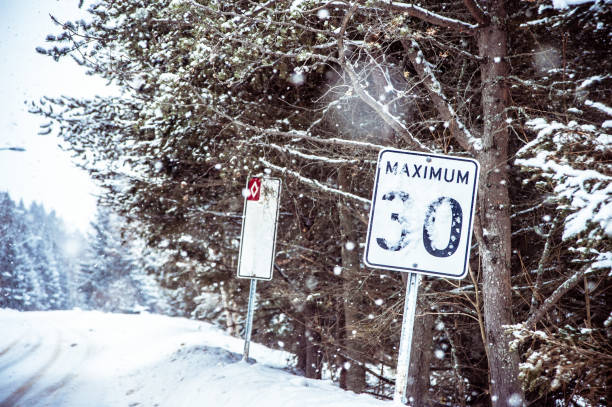
The Reasonable Time Rule: When Snow and Ice Removal Becomes Your Legal Duty

The Reasonable Time Rule: When Snow and Ice Removal Becomes Your Legal Duty, Snow and ice removal liability

If you own or manage a property, you already know you have a duty to keep it safe. But when it comes to snow and ice, the law does not expect you to...

11 months ago Read More

Looking for a Lawyer?
.
help_outline

Frequently Asked Questions

Get answers to the most common liability case queries.

What is comparative negligence, and how does it affect a claim?
Comparative negligence reduces a plaintiff’s compensation if they are partly at fault for their own injury. In most states, if you are found to be 50% responsible for an accident, your financial award is reduced by 50%. Some states bar recovery if you are 51% or more at fault. This system aims to assign financial responsibility fairly based on each party’s share of the blame. It requires the court or jury to assign a precise percentage of fault to everyone involved in the incident.
What does “unreasonably dangerous” mean in a design defect case?
“Unreasonably dangerous” means the product’s design presents a danger that goes beyond what an ordinary consumer would expect, and this danger outweighs any usefulness or benefit of the design. It’s a balancing test. A kitchen knife is expected to be sharp, but a toaster that electrocutes users under normal conditions is unreasonably dangerous. The law asks if the social benefits of the design outweigh its inherent risks, or if a safer design was reasonably possible.
What are the clear warning signs that abuse or neglect is happening?
Visible signs include unexplained bruises, cuts, or fractures; sudden weight loss or dehydration; poor personal hygiene; and the development of frequent bedsores. Emotional signs are sudden withdrawal, anxiety, or fear around certain staff members. Environmental red flags are unsanitary living conditions, medication errors, or frequent falls. Financial warning signs are missing belongings or unexplained bank withdrawals. Trust your instincts. A drastic change in a resident’s physical or emotional state often points to a serious problem requiring immediate investigation.
What are the four basic elements needed to prove negligence?
To win a negligence case, a person must prove four things. First, the defendant owed them a duty of care (a legal obligation to act reasonably). Second, the defendant breached that duty by acting unreasonably or carelessly. Third, this breach directly caused the plaintiff’s injury. Fourth, the plaintiff suffered actual damages or losses, like medical bills or lost wages. If any one of these elements is missing, a negligence claim will fail. This structure is the core framework for almost all personal injury lawsuits.