
Aviation and helicopter accident liability

Respondeat Superior and Helicopter Crash Liability

Respondeat Superior and Helicopter Crash Liability, Aviation and helicopter accident liability

In helicopter accident law, the doctrine of respondeat superior makes a company responsible for its pilot’s mistakes. The phrase means “let the...

1 month ago Read More
Who Pays When a Plane Crashes? The Basics of Aviation Liability

Who Pays When a Plane Crashes? The Basics of Aviation Liability, Aviation and helicopter accident liability

When an aircraft goes down, the first question everyone asks is whose fault it is. In legal terms, that question translates into liability. Aviation...

1 month ago Read More
Who Is Liable When a Defective Aircraft Part Causes a Crash

Who Is Liable When a Defective Aircraft Part Causes a Crash, Aviation and helicopter accident liability

When a helicopter falls out of the sky or a small plane loses a wing mid-flight, the immediate question is always why. But for the people hurt or the...

3 months ago Read More
The Human Factor: Why Pilot Error Dominates Aviation Liability

The Human Factor: Why Pilot Error Dominates Aviation Liability, Aviation and helicopter accident liability

When a plane or helicopter goes down, the first question everyone asks is why. The answer often determines who pays. In the world of aviation...

4 months ago Read More
Helicopter Maintenance Failures and Accident Liability

Helicopter Maintenance Failures and Accident Liability, Aviation and helicopter accident liability

When a helicopter falls out of the sky, the initial shock and grief often give way to a hard question: who is legally responsible? While pilot error...

6 months ago Read More
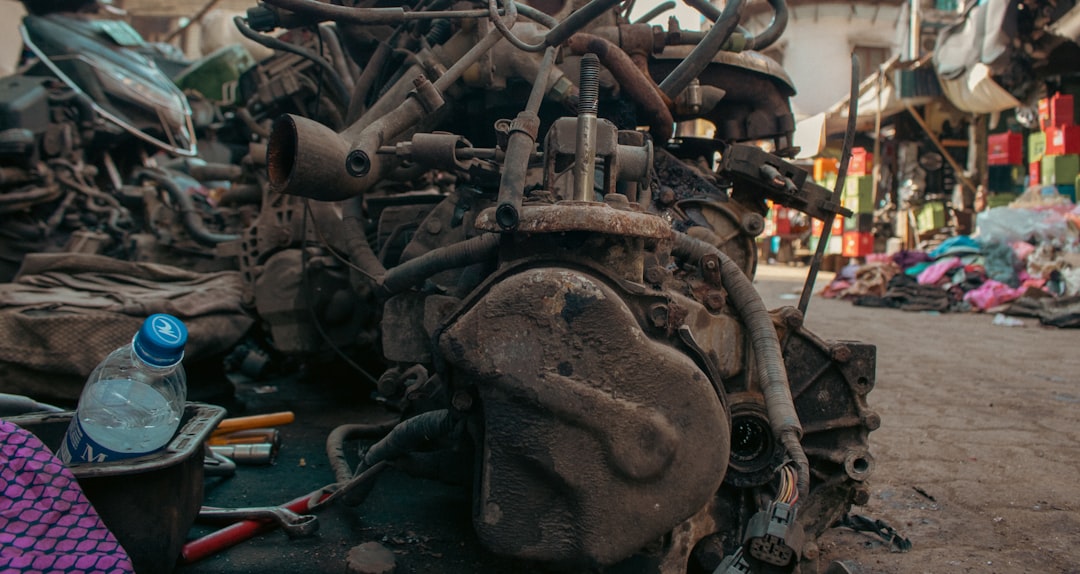
The Hidden Dangers: How Poor Maintenance Leads to Catastrophic Accidents

The Hidden Dangers: How Poor Maintenance Leads to Catastrophic Accidents, Premises liability for invitees vs trespassers

In our modern world, we rely on a vast and interconnected network of infrastructure, machinery, and vehicles. The safe operation of these systems is...

1 year ago Read More

How Geography and Environment Shape the Fate of a Falling Object

How Geography and Environment Shape the Fate of a Falling Object, Construction site injury liability

The question of how an object falls might seem to have a universal answer, governed solely by gravity and air resistance. However, in any practical...

1 year ago Read More
Wrong-Site Surgery: A Preventable Medical Malpractice Error

Wrong-Site Surgery: A Preventable Medical Malpractice Error, Surgical errors and wrong-site surgery

Wrong-site surgery is exactly what it sounds like: a surgeon operates on the wrong part of a patient’s body. This includes operating on the wrong...

9 months ago Read More
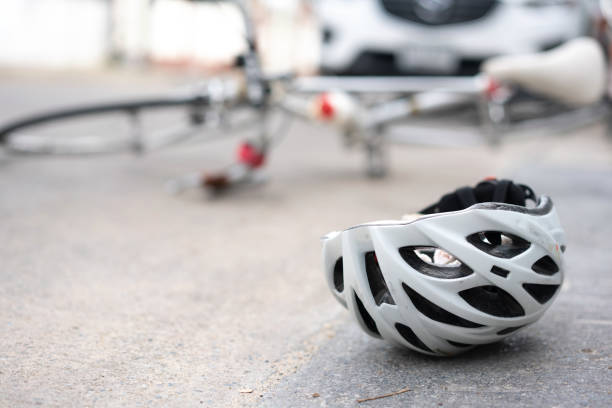
Understanding Personal Injury Liability: Who Pays When Someone Gets Hurt

Understanding Personal Injury Liability: Who Pays When Someone Gets Hurt, Car accident fault and liability

Personal injury liability is the legal rule that makes one person or company financially responsible for harming another through carelessness or...

1 year ago Read More

Looking for a Lawyer?
.
help_outline

Frequently Asked Questions

Get answers to the most common liability case queries.

What are some examples of negligent security on school property?
Negligent security involves failures to protect children from foreseeable criminal acts or intrusions. This includes broken locks on exterior doors, a lack of visitor sign-in protocols, or insufficient monitoring of hallways and isolated areas. If a known threat, like a violent individual, was not addressed and a child is harmed, liability may exist. The school must take reasonable steps to secure the environment, balancing openness with safety. Failure to have basic security measures can be grounds for a claim if an assault or abduction occurs.
Who can be held responsible for an assault or battery?
The primary responsible party is the person who intentionally committed the harmful act. However, liability can extend to others under certain conditions. For example, a property owner (like a bar or store) may be liable if they failed to provide reasonable security. An employer might be responsible if the act was committed by an employee within the scope of their job. These “third-party” claims depend on proving negligence in preventing the foreseeable harm.
Who can be held liable for bad professional advice?
Liability typically falls on the individual professional who gave the advice and the firm or practice that employs them. This can include accountants, financial advisors, architects, engineers, surveyors, lawyers, and healthcare providers. The key is that they were acting in a professional capacity for which they hold themselves out as having special skills or knowledge, and you relied on that advice to your detriment.
What is the most common legal result of not following safety rules?
The most common result is a negligence lawsuit. If someone gets hurt because a person or company failed to follow established safety rules, the injured party can sue. To win, they must prove the safety rules existed, were not followed, and that this failure directly caused their injury. This is a foundational concept in personal injury law. The defendant is held liable because their careless action breached a basic duty to keep others reasonably safe.