Assumption of risk defenses

Signing Away Your Right to Sue

Signing Away Your Right to Sue, Assumption of risk defenses

When you sign a waiver before going bungee jumping, joining a gym, or participating in a company softball league, you are doing more than just...

2 months ago Read More
Assumption of Risk: When You Accept the Danger of a Sport

Assumption of Risk: When You Accept the Danger of a Sport, Assumption of risk defenses

You sign a waiver before you race a go-kart. You step onto a basketball court knowing you might get elbowed. You buy a lift ticket at a ski resort...

7 months ago Read More
Assumption of Risk in Recreational Sports: When Injured Players Cannot Sue

Assumption of Risk in Recreational Sports: When Injured Players Cannot Sue, Recreational activity injury liability

Every time you step onto a field, a court, or a trail, you accept a certain level of danger. That is the reality of sports and recreation. When that...

1 year ago Read More

The Assumption of Risk: How It Shields Sports Organizers and What It Means for Injured Players

The Assumption of Risk: How It Shields Sports Organizers and What It Means for Injured Players, Recreational activity injury liability

If you get hurt playing basketball in a pick-up game, you cannot sue the guy who accidentally stepped on your ankle. If you break your wrist wiping...

1 year ago Read More
Assumption of Risk in Sports and Recreational Injuries

Assumption of Risk in Sports and Recreational Injuries, Recreational activity injury liability

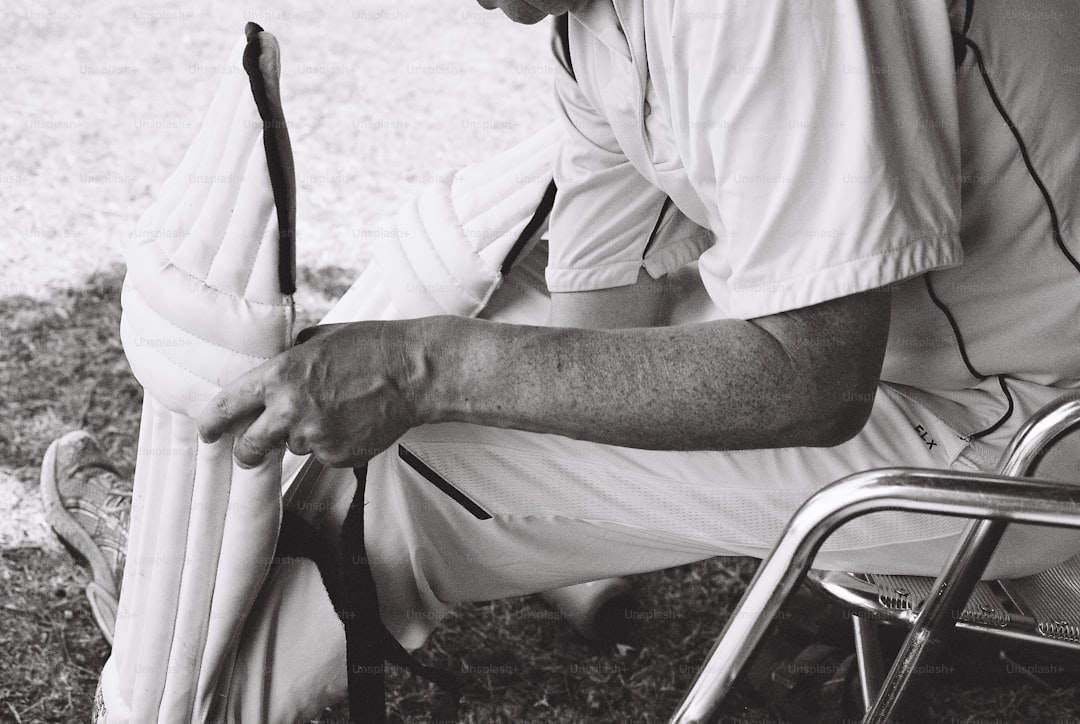
When you step onto a baseball field, tie on your skis, or sign up for a group fitness class, you accept that injuries can happen. The law recognizes...

6 months ago Read More
Assumption of Risk: Why You Can Still Sue After Getting Hurt Playing Sports

Assumption of Risk: Why You Can Still Sue After Getting Hurt Playing Sports, Recreational activity injury liability

When you sign up for a recreational sports league, hit the slopes, or join a pickup basketball game, you are almost certainly taking on some level of...

6 months ago Read More
Assumption of Risk in Contact Sports: What Injured Players Need to Know

Assumption of Risk in Contact Sports: What Injured Players Need to Know, Recreational activity injury liability

When you step onto a football field, a hockey rink, or a boxing ring, you are not signing a contract to get hurt, but legally you are accepting a...

6 months ago Read More
Understanding Liability for Sports and Recreational Injuries

Understanding Liability for Sports and Recreational Injuries, Recreational activity injury liability

Participating in sports and recreational activities is an excellent way to stay healthy and have fun, but it also comes with an inherent risk of...

1 year ago Read More
Understanding Negligence Liability: When Carelessness Becomes a Legal Case

Understanding Negligence Liability: When Carelessness Becomes a Legal Case, Product-related personal injury claims

Negligence liability is the most common legal theory for holding someone financially responsible for causing harm. At its core, it is about...

1 year ago Read More
Looking for a Lawyer?
.
help_outline

Frequently Asked Questions

Get answers to the most common liability case queries.

What is a “defective car part” case?
A defective car part case holds a manufacturer legally responsible when a flaw in a vehicle’s design, a mistake in its construction, or a missing warning causes an accident or injury. It’s not about driver error. These cases focus on proving the part was unsafe when it left the factory. Common examples include faulty airbags that don’t deploy or explode with shrapnel, defective brakes, sticky accelerator pedals, or unstable roofs that crush during a rollover. The goal is to make the injured person whole and force the company to fix the dangerous problem.
What are the most common causes of falling object accidents?
The most common causes include poorly secured construction materials, failure to maintain building exteriors (like loose bricks or window panels), unsecured items on shelves or ledges, and negligent work practices overhead. In retail or warehouse settings, improperly stacked merchandise is a frequent culprit. Essentially, any situation where an object is not properly restrained or maintained at a height can lead to a dangerous fall. Weather events, like high winds dislodging items, can also be a factor, but property owners are often still responsible for securing items against foreseeable conditions.
What must a person prove to win a slander case?
To win, you must prove four things. First, the defendant made a false statement of fact about you. Second, they communicated that statement verbally to a third party. Third, they were at fault—either they knew it was false or acted with reckless disregard for the truth. Fourth, the statement caused you real harm, such as financial loss or damage so severe the law presumes harm occurred, which is rare for slander.
What is the difference between slander and libel?
Both are forms of defamation. Libel involves defamatory statements that are fixed in a permanent form. This includes writing in books, newspapers, social media posts, blogs, online reviews, or television broadcasts. Slander involves spoken, temporary statements, like false accusations made in a speech, conversation, or unrecorded interview. Legally, libel is often treated more seriously because the written word has a wider reach and permanence, making the potential damage to reputation greater and easier to prove.